
Backyard Birds + Bird Flu:
Simple ways to protect your backyard birds and reduce the spread of Bird Flu.
If you keep chickens, ducks, geese or other birds at home, now is the time to strengthen your biosecurity to avoid the risk of them getting H5N1 Avian Influenza (Bird Flu).
Backyard birds can become infected through contact with wild birds, contaminated water, droppings, footwear and equipment.
Here are some tips to keep them safe:
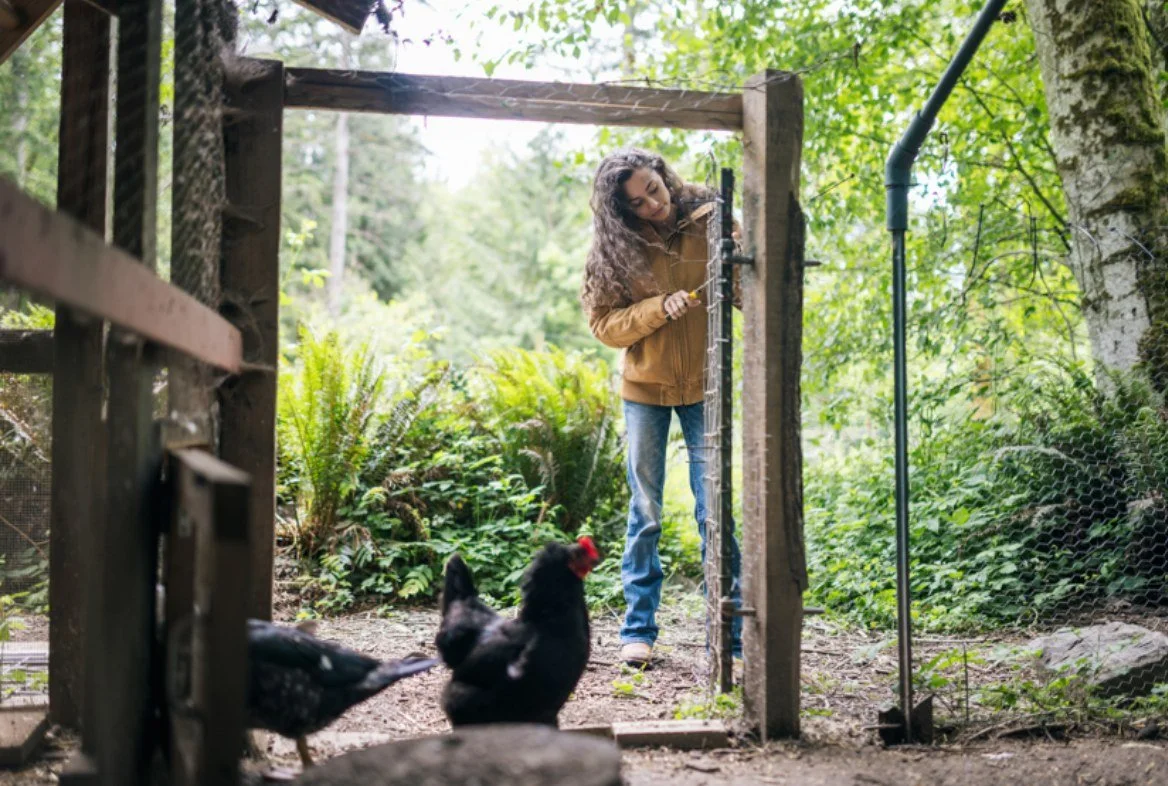
Bird-proof their enclosure
Keep chickens, ducks and other backyard birds in a secure enclosure where possible. Use netting or mesh to stop wild birds entering and regularly check for gaps or damage. Could a bird fly in, squeeze through a gap or perch directly above your flock? If so, it’s time to make some changes.
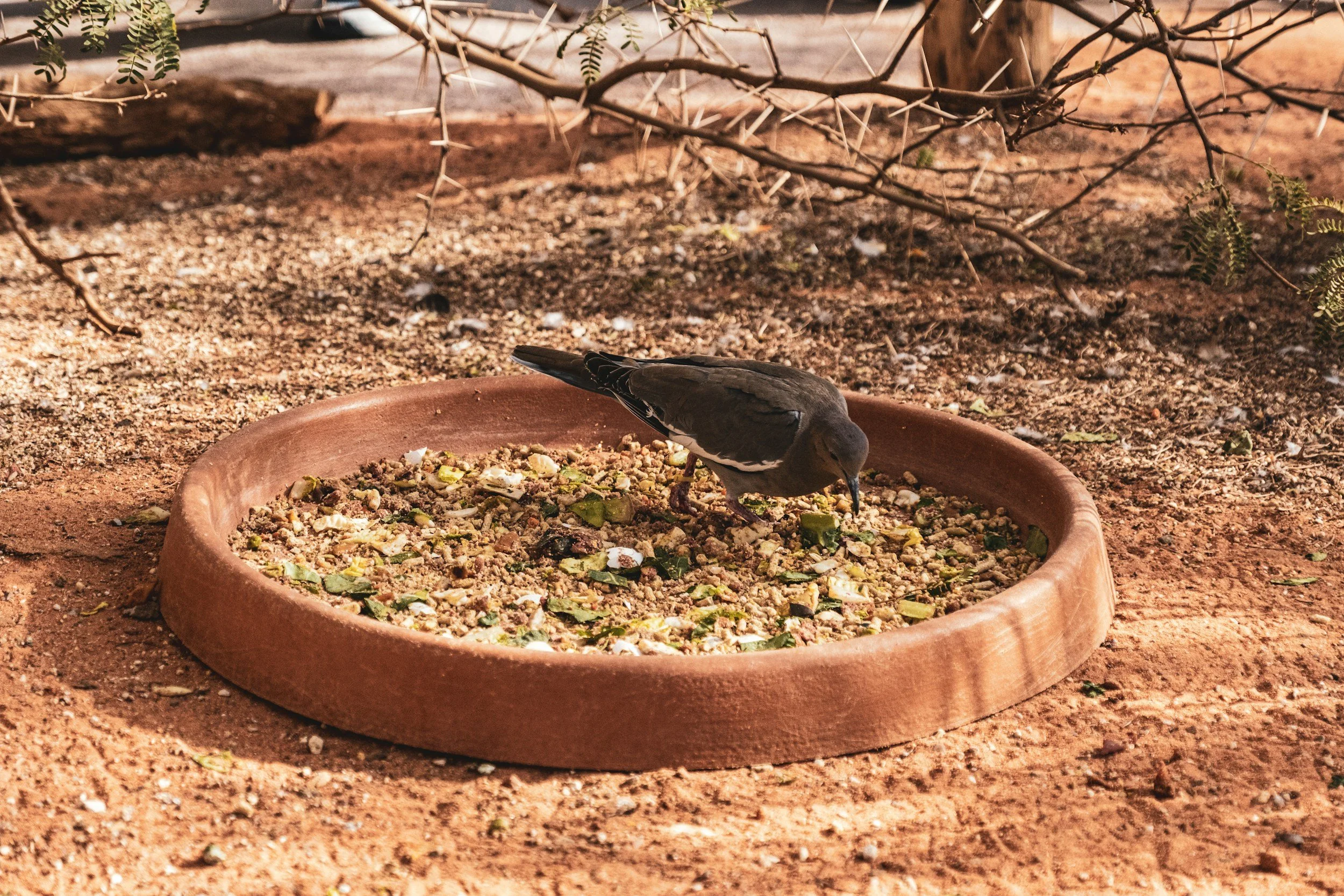
Don’t make your backyard
a wild bird hotspot
Make your yard less inviting to wild birds by cleaning up spilled feed, storing food securely, avoiding wild bird feeding and reducing shared food or water sources. If wild birds regularly gather or leave droppings near your flock, clean the area and try to limit your birds’ access.
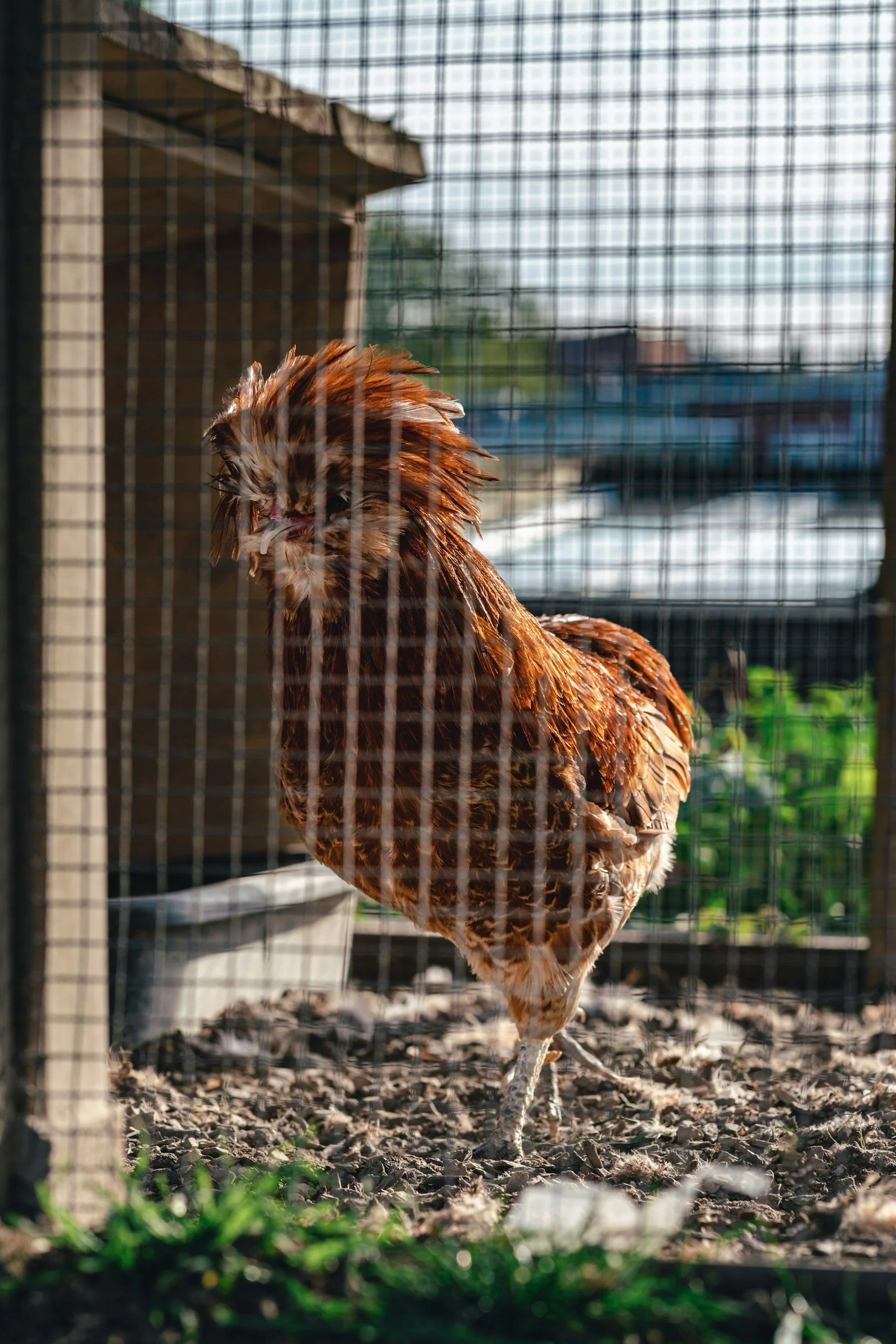
Keep things clean
Good hygiene can help stop disease being carried into your flock on shoes, clothing, hands or equipment. Keep dedicated footwear for the coop, wash your hands before and after handling birds, clean equipment regularly and avoid sharing gear unless it has been properly cleaned and disinfected. It’s also a good idea to limit visitors who have recently been around other poultry.
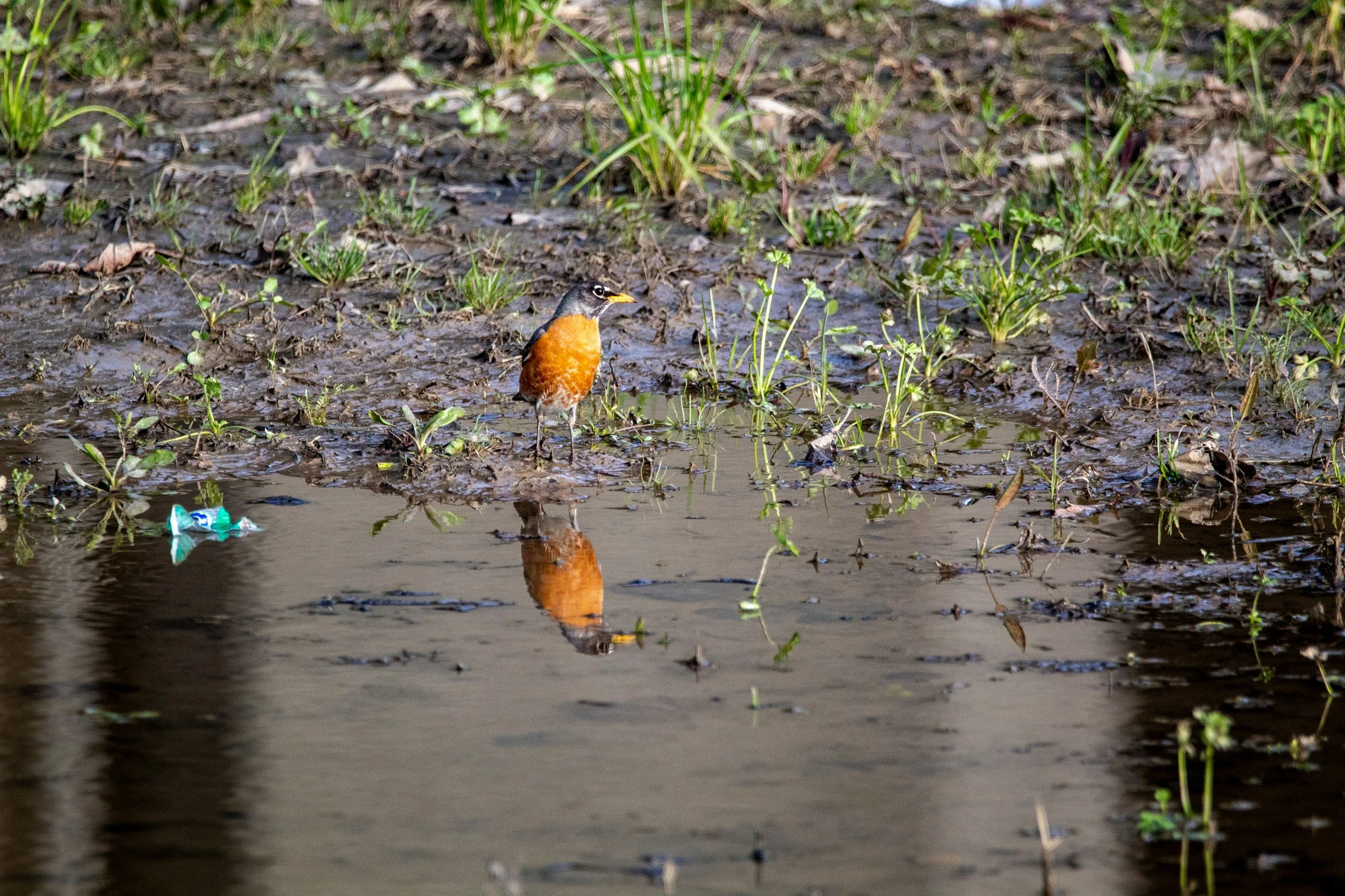
Avoid shared ponds and waterways
Keep your birds away from ponds, creeks, dams and standing water used by wild birds. This is especially important for ducks, as contaminated water can increase their risk of exposure.
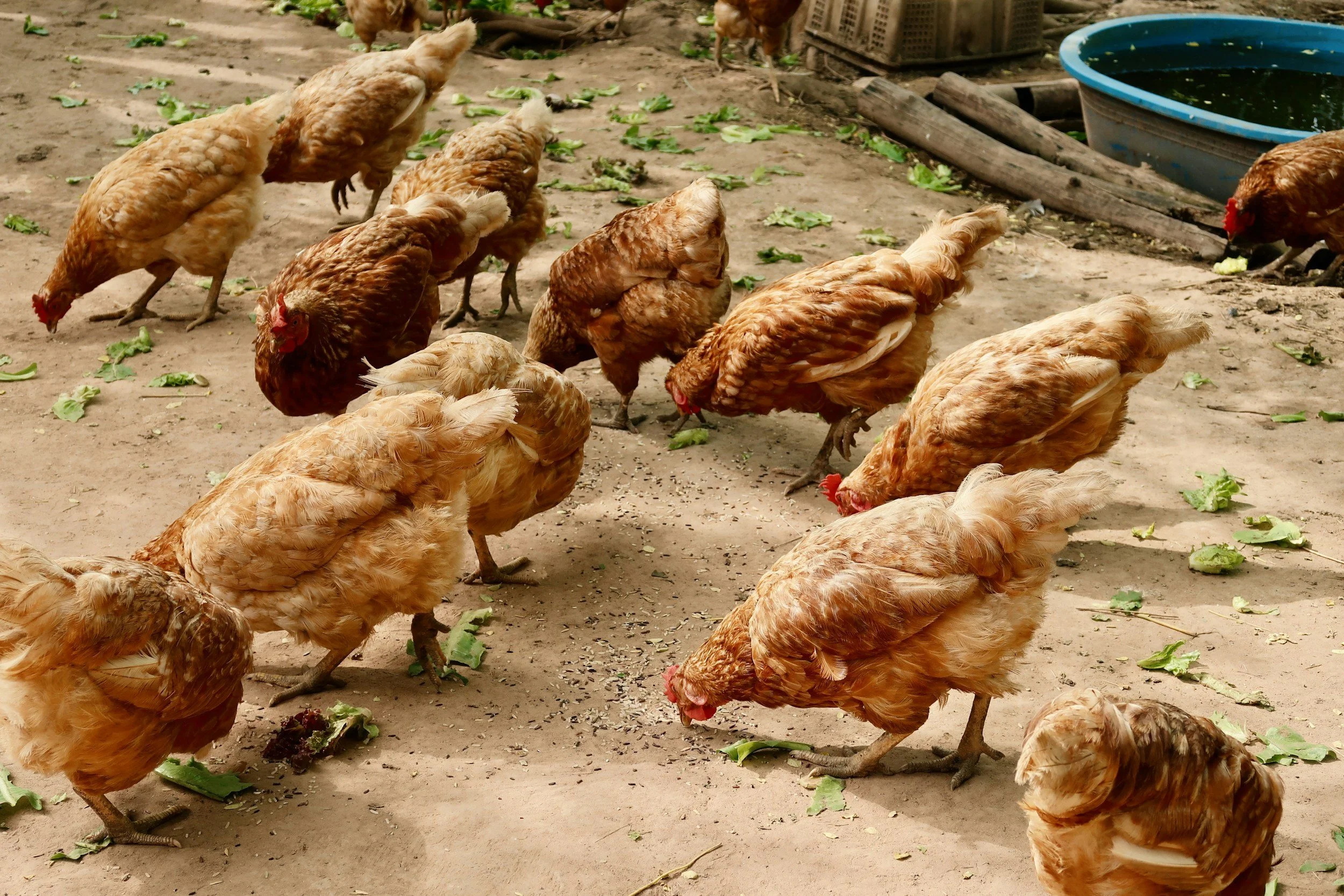
Protect their food and water
Keep feeders and drinkers under cover and out of reach of wild birds. Store feed in sealed containers, clean up spills and refresh drinking water regularly.
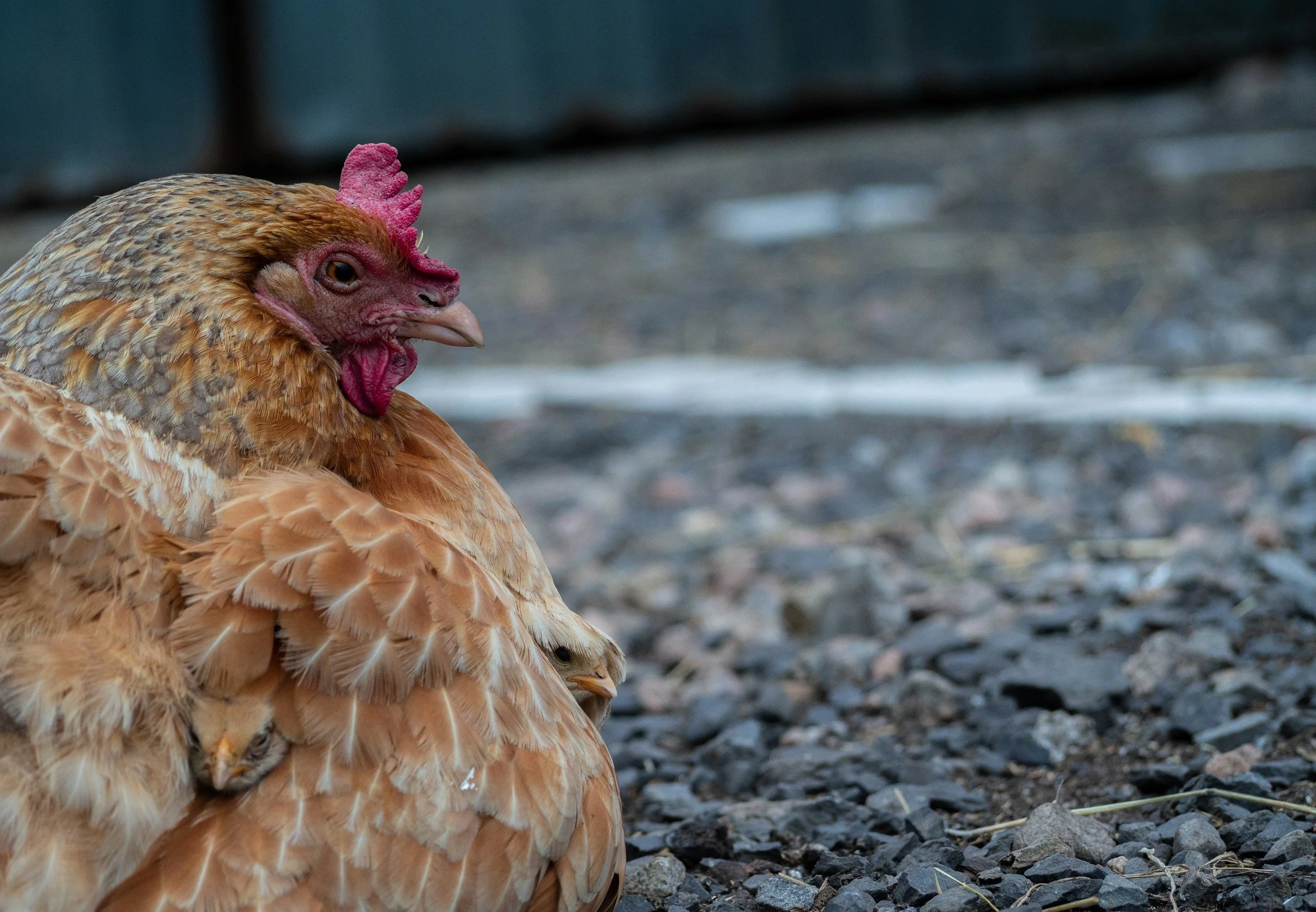
Watch for signs of illness
Check your birds every day and act quickly if something doesn’t look right. If you suspect Bird Flu, keep people, pets and other animals away, avoid unnecessary handling and call the Emergency Animal Disease Hotline on 1800 675 888.
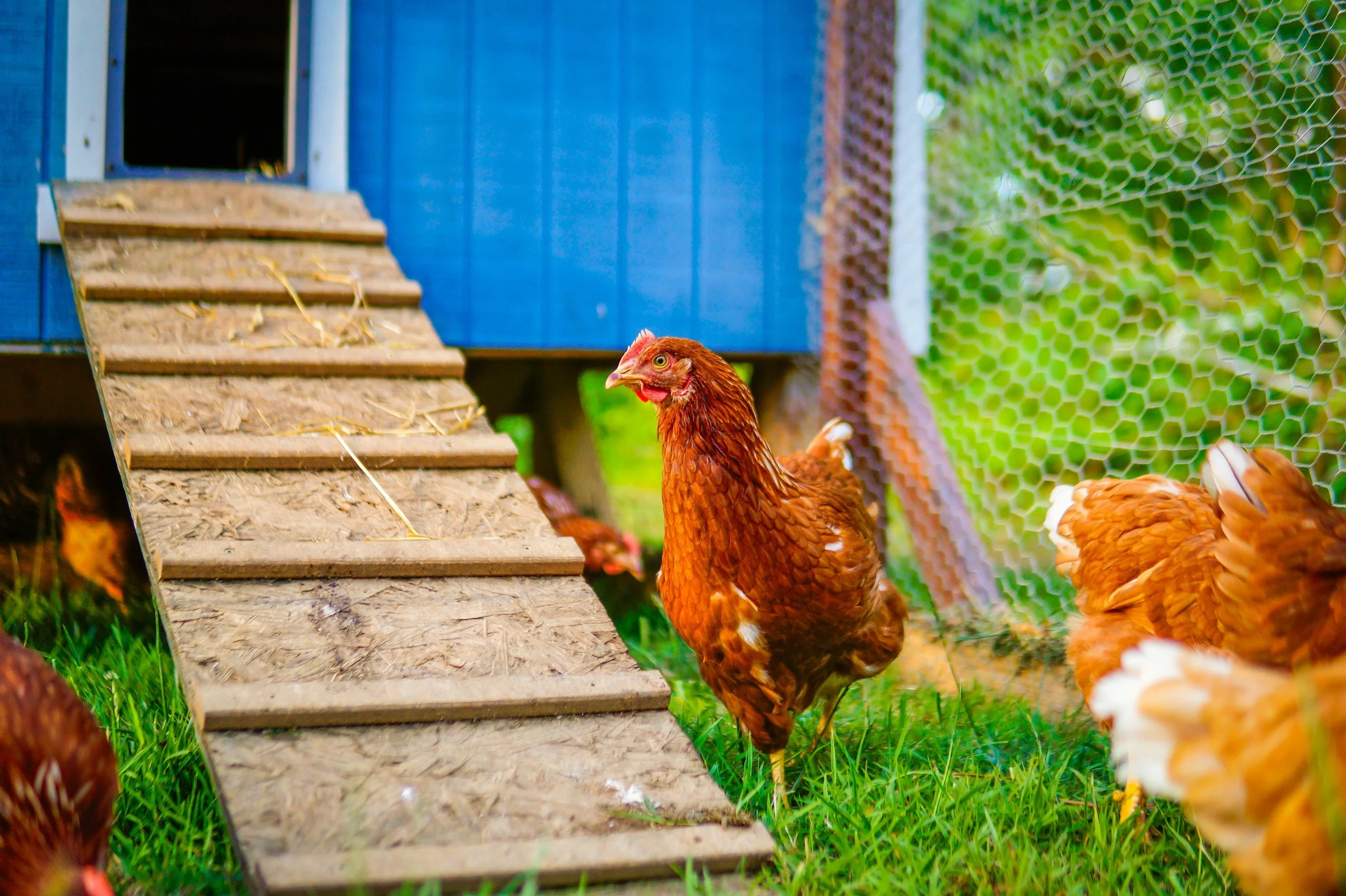
Worried about the risk to your backyard chickens? Take a fresh look at their enclosure.
Walk around your coop or run and look at it from a wild bird’s point of view.
Could a bird fly in, squeeze through a gap or perch directly above your flock?
You may be able to improve your existing setup by:
covering open runs with secure bird-proof netting or mesh
repairing gaps, holes or damaged sections
adding a covered or solid roof over high-use areas
blocking common entry points
checking netting and structures after storms or bad weather.
You don’t have to make your backyard completely bird-proof overnight. Focus first on the areas where your flock spends the most time.
The goal is simple: as little contact with wild birds as possible.
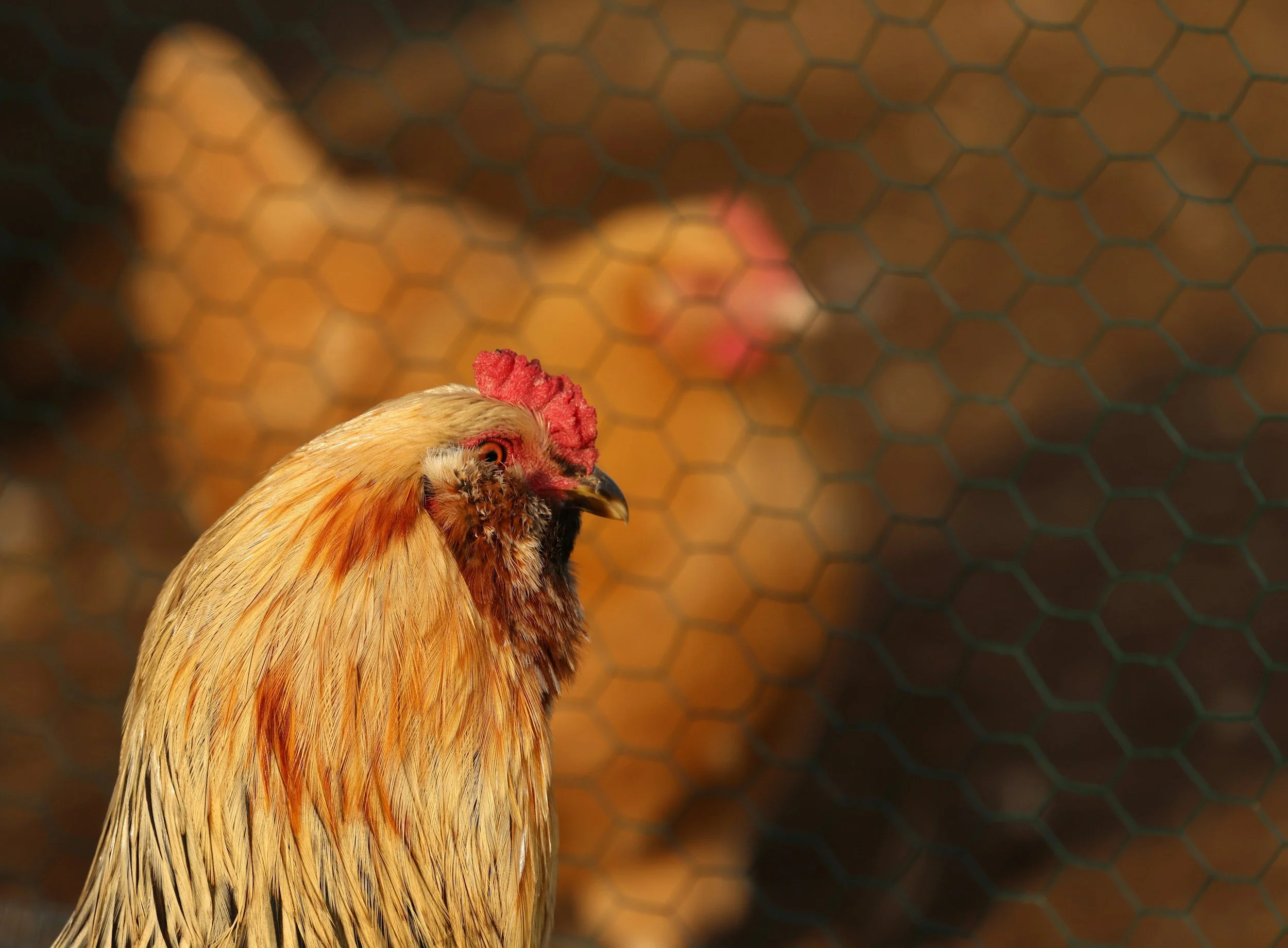
If your chickens usually
free-range…
This may be one of the biggest changes for some backyard flocks.
While Bird Flu is present in wild bird populations, consider reducing or temporarily stopping unrestricted free-ranging and giving your chickens a secure, covered area instead.
They can still have plenty of opportunity to behave naturally.
Make their enclosed space more interesting with:
room to scratch and forage
dust-bathing areas
perches, logs and different levels
scattered food or other suitable foraging activities
enrichment that you rotate regularly
The aim isn’t to take away everything they enjoy, it’s to give them those opportunities in a safer environment.
If fully enclosing a large area isn’t possible, prioritise the places your flock uses most and limit access to parts of the yard regularly visited by wild birds.
A little less freedom to roam now can mean a lot more protection for your flock.
Adding new birds
to your flock?
New chickens or ducks can introduce disease before they show any signs of being unwell.
Keep new birds separate from your existing flock for at least four weeks, with their own food, water and equipment. Monitor them closely for any signs of illness before introducing them.
During this time, care for your existing flock first and new birds last, and wash your hands and clean footwear between enclosures.
If you keep both chickens and ducks, keep them separate where possible to further reduce the risk of disease spreading.
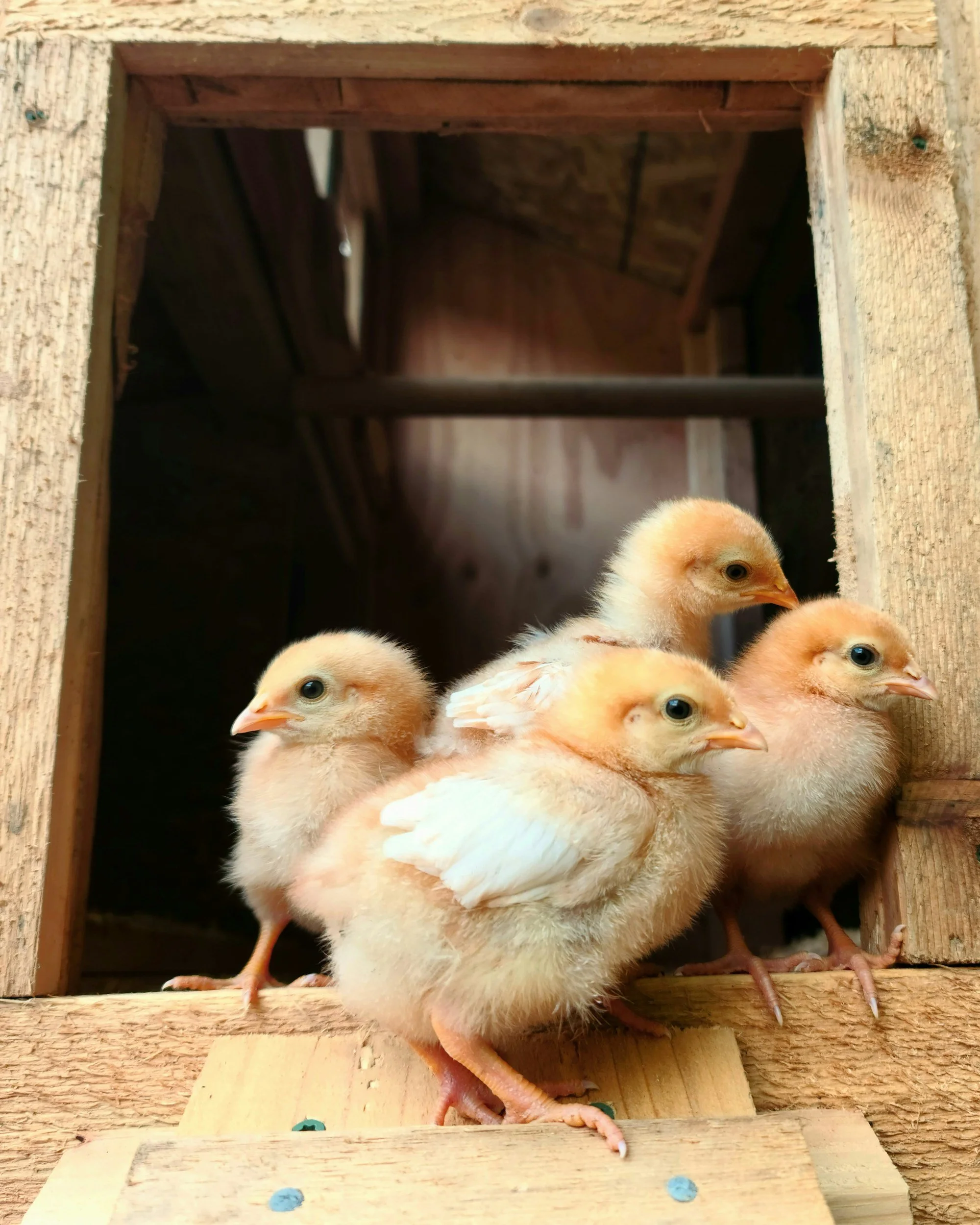
Keep them away from shared waterways
Ponds, creeks, dams and other standing water can attract wild birds and may become contaminated with droppings, feathers or other material from infected birds. Backyard poultry can then be exposed by drinking, swimming or foraging in the same water.
This is particularly important for ducks, which naturally spend more time in water. If your ducks usually have access to a dam, pond, creek or other waterway that wild birds can also visit, consider temporarily preventing access and providing a clean water source within their protected enclosure instead.
Where possible, make sure drinking and bathing water is:
provided inside a protected area that wild birds cannot access
refreshed regularly, particularly if it becomes dirty or contaminated
kept separate from natural waterways, puddles and standing water used by wild birds
positioned under cover or within bird-proof netting to reduce contamination from droppings.
After rain, also check your yard for puddles or newly formed areas of standing water that wild birds may have visited.
If wild birds can access the water, it’s safest to keep your birds away from it.
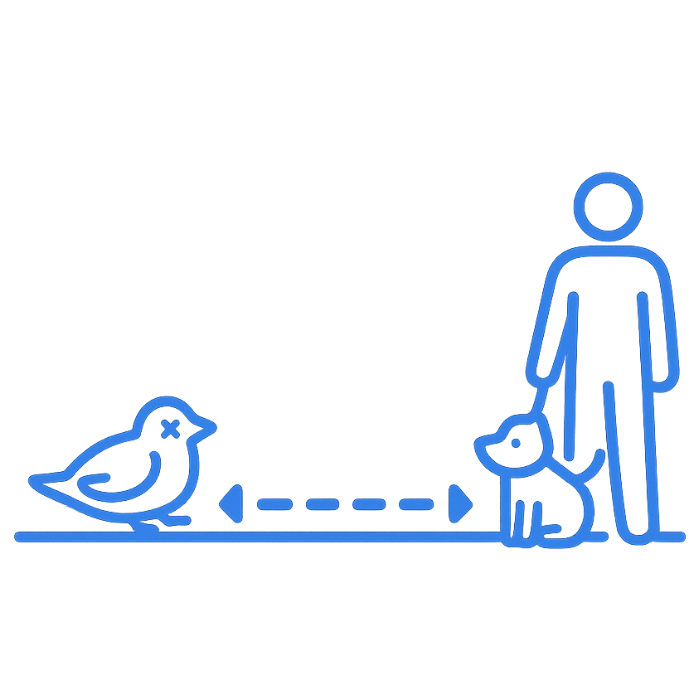
Found a sick or dead bird? Here’s what to do:

Avoid
Do not touch the bird. Leave it where it is and make sure you keep pets away.
Record
Note the location of the bird and take a photo or video from a safe distance.

Report
Call the Emergency Animal Disease Hotline on 1800 675 888.
The hotline will advise you on next steps.
Do not dispose of the bird,
unless you are advised to.
Stay informed.
Help protect animals.
Sign up to our Changemakers emails for the latest animal welfare updates and to see how RSPCA South Australia is working to protect animals across our state.
You can unsubscribe at any time.