
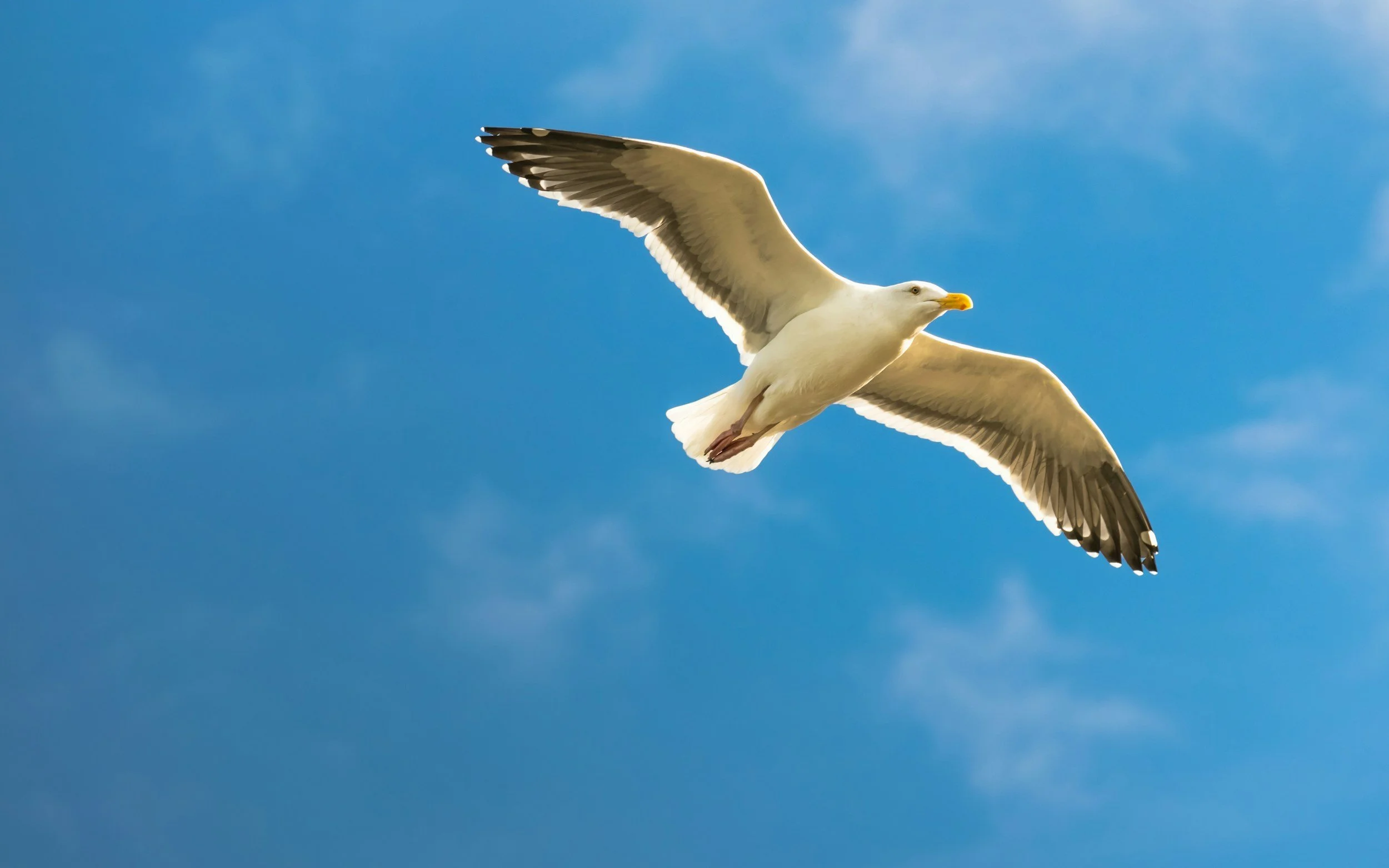
How to tell if a
bird has Bird Flu.
H5N1 Avian Influenza, otherwise known as Bird Flu, can affect birds in different ways.
Some birds may appear very sick, while others may show few or no warning signs.
You do not need to be certain that a bird has bird flu before reporting it.
If something does not look right, it is best to report it.
Signs may include:
being unable to stand, walk, swim or fly normally
falling over or moving in circles
holding its head or neck in an unusual position
shaking, twitching or appearing poorly coordinated
breathing with its mouth open, coughing or sneezing
appearing unusually quiet, weak, droopy or puffed up
being reluctant to move, eat or drink
swelling around the head
sudden death
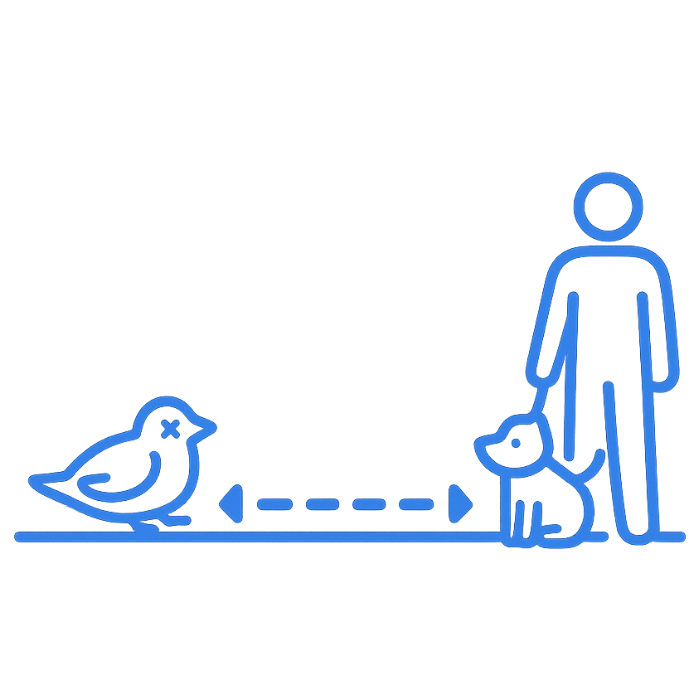
Found a sick or dead bird? Here’s what to do:

Avoid
Do not touch the bird. Leave it where it is and make sure you keep pets away.
Record
Note the location of the bird and take a photo or video from a safe distance.

Report
Call the Emergency Animal Disease Hotline on 1800 675 888.
The hotline will advise you on next steps.
Do not dispose of the bird,
unless you are advised to.
Stay informed.
Help protect animals.
Sign up to our Changemakers emails for the latest animal welfare updates and to see how RSPCA South Australia is working to protect animals across our state.
You can unsubscribe at any time.