
Dogs + Bird Flu:
Simple ways to protect your dog and help reduce the spread
While the risk is low, Bird Flu (H5N1 Avian Influenza) can spread to mammals if they eat or have close contact with an infected bird.
We’ve put together a few simple precautions that may help keep your dog safe and reduce their risk of exposure.
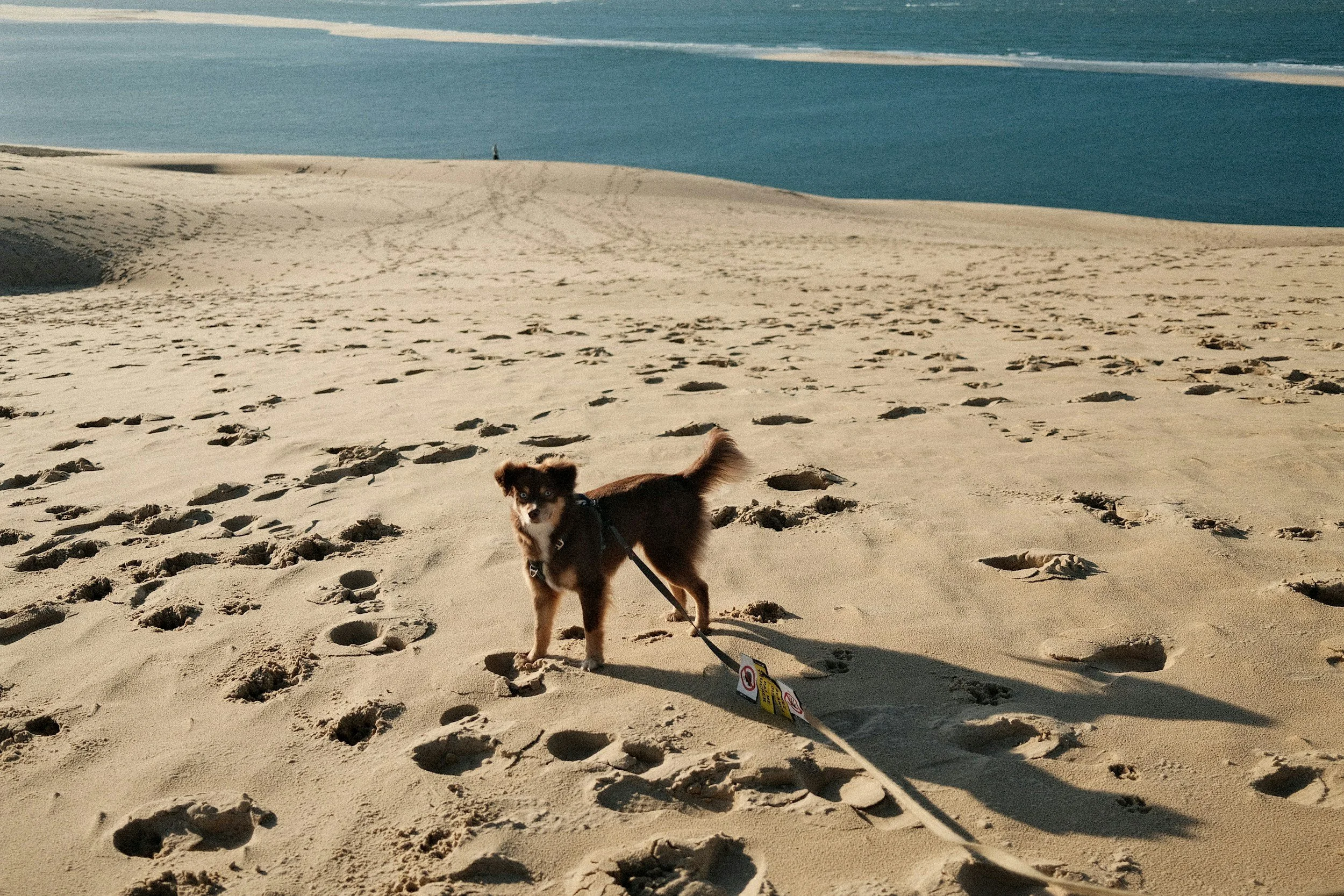
Keep your dog on leash and away from birds
Dogs are curious by nature, but right now it’s important to keep them on a lead and away from wild birds - especially around beaches, wetlands, parks and waterways.
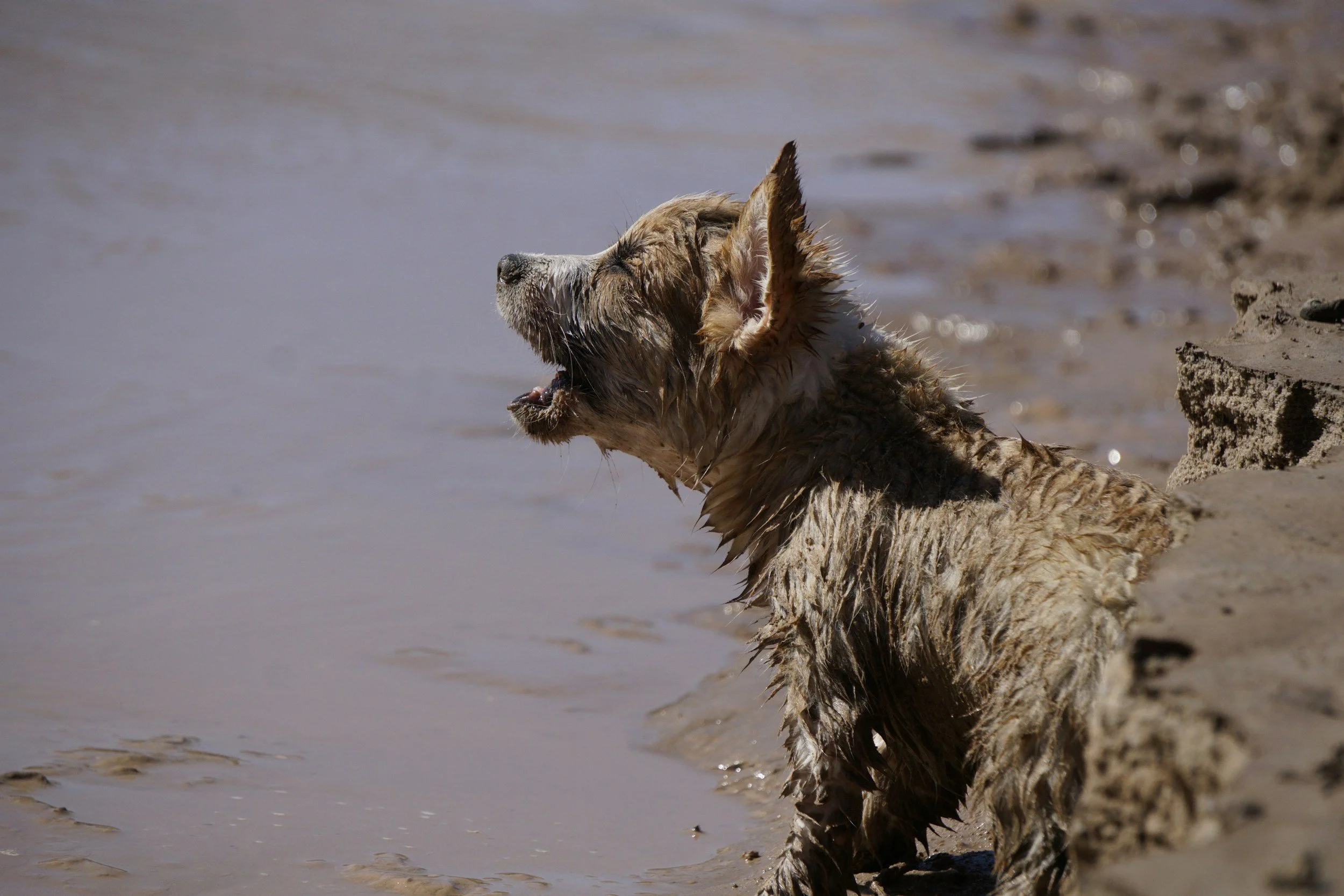
Steer clear of droppings and dirty water
Bird Flu can be present in bird droppings and contaminated water, soil and surfaces. Don’t let your dog drink from ponds or puddles, or sniff and explore areas heavily covered in bird droppings. A little extra caution on your walk can help reduce their risk of exposure.
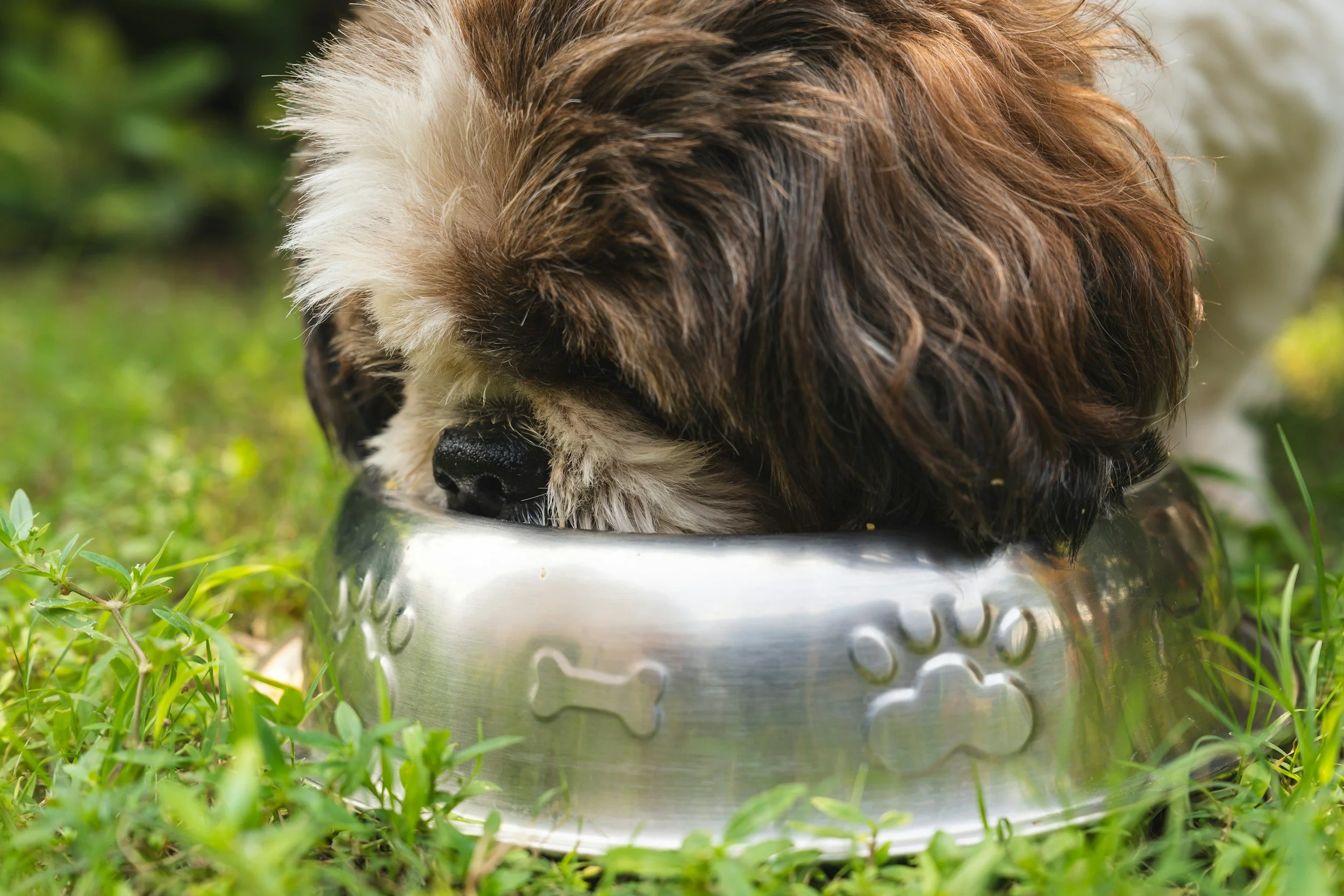
Keep their food and
water bird-free
Wild birds can contaminate your dog’s food and water with droppings or saliva. Keep bowls indoors or under cover, change their water regularly and make sure wild birds can’t access their food. It’s a simple change that can help keep your dog safer.
FAQs
-
Do not try to remove the bird with your bare hands.
Move your dog away from other animals and call your veterinarian for advice. Tell them your dog has had contact with a sick or dead bird.
Do not arrive at the clinic without calling first. This gives the veterinary team time to provide instructions and prepare appropriate safety measures.
-
Call your veterinarian as soon as possible.
While rare, dogs can become infected with Bird Flu after eating or interacting with an infected animal.
Your veterinarian will tell you what to do next and what signs to watch for.
Do not make your dog vomit or give them medication unless your veterinarian tells you to.
-
Contact your veterinarian if your dog becomes unwell after contact with a wild bird.
Signs may include:
unusual tiredness
loss of appetite
red or inflamed eyes
discharge from the eyes or nose
coughing or sneezing
difficulty breathing
shaking or tremors
poor coordination
seizures
changes to vision
Symptoms can be mild and may look like other illnesses, so always tell your veterinarian about the wildlife contact.
-
Contact your veterinarian if your dog had direct contact with a bird that was sick, dead or behaving unusually, particularly if your dog licked, mouthed or ate it.
Your veterinarian can advise whether monitoring or any further action is needed.
-
Keep your dog away from children and other animals and call your veterinarian immediately.
Tell the clinic:
when and where the contact happened
whether your dog touched, licked or ate the bird
when your dog’s symptoms started
what symptoms you have noticed.
Call before visiting the clinic so the veterinary team can advise you on how to arrive safely.
-
Bird Flu can spread through infected birds’ bodily fluids, droppings and feathers, as well as contaminated environments.
Move your dog away from the area and prevent them from licking their paws or coat. Wash your hands after handling your dog, lead or other equipment.
Contact your veterinarian if the material came from a sick or dead bird, or if your dog becomes unwell.
-
Yes, but take extra care around beaches, wetlands, waterways, parks and other places where birds gather.
Keep your dog on a lead.
Stay away from sick or dead wildlife.
Do not let your dog chase, sniff, lick or eat birds.
Avoid areas where several birds are sick or dying.
Follow any closures or directions from local authorities.
Keeping dogs on a lead near wildlife helps protect both your dog and wild animals.
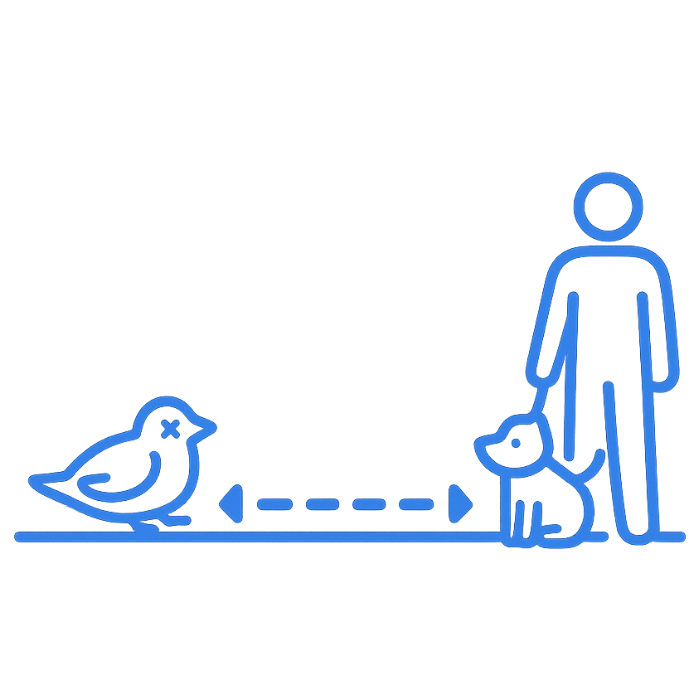
Found a sick or dead bird? Here’s what to do:
Avoid
Do not touch the bird. Leave it where it is and make sure you keep pets away.
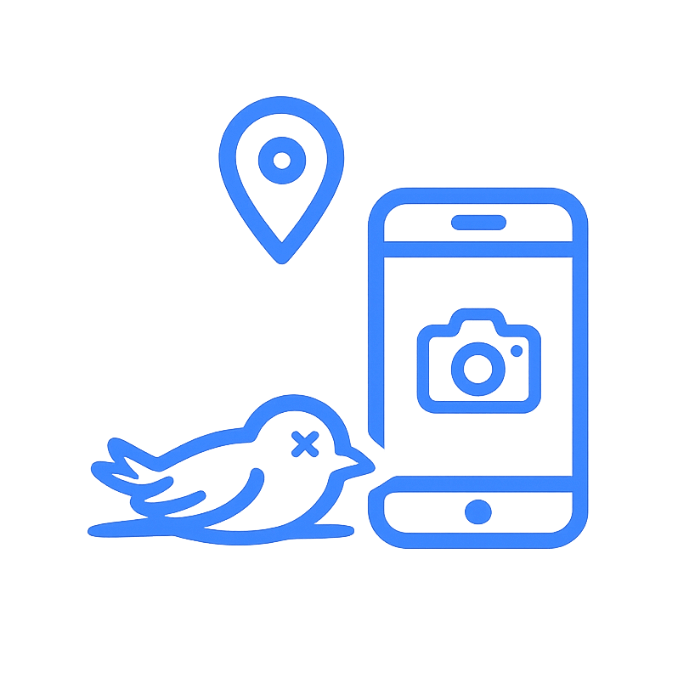
Record
Note the location of the bird and take a photo or video from a safe distance.
Report
Call the Emergency Animal Disease Hotline on 1800 675 888.
The hotline will advise you on next steps.
Do not dispose of the bird,
unless you are advised to.
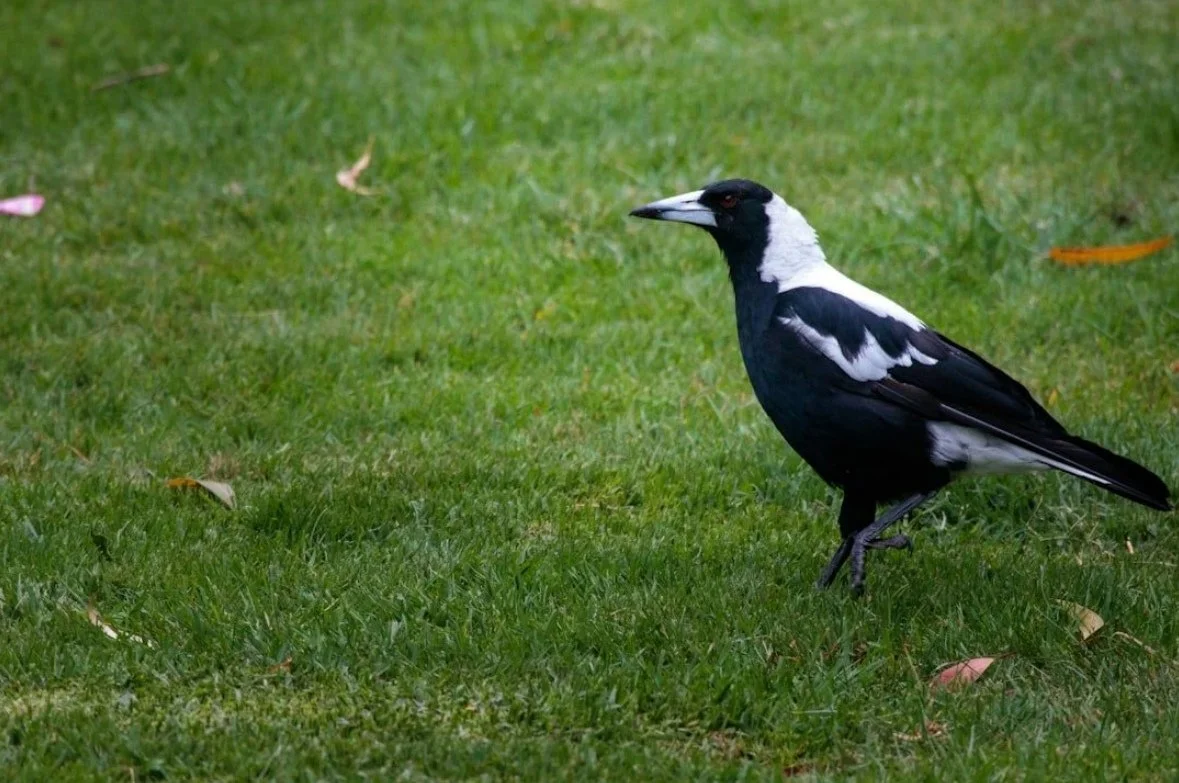
Stay informed.
Help protect animals.
Sign up to our Changemakers emails for the latest animal welfare updates and to see how RSPCA South Australia is working to protect animals across our state.
You can unsubscribe at any time.