
Cats + Bird Flu:
Simple ways to protect your cat and help reduce the spread of Bird Flu.
While the risk is low, Bird Flu (H5N1 Avian Influenza) can spread to mammals if they eat or have close contact with an infected bird.
We’ve put together a few simple precautions that can help keep your cat safe and reduce their risk of exposure.
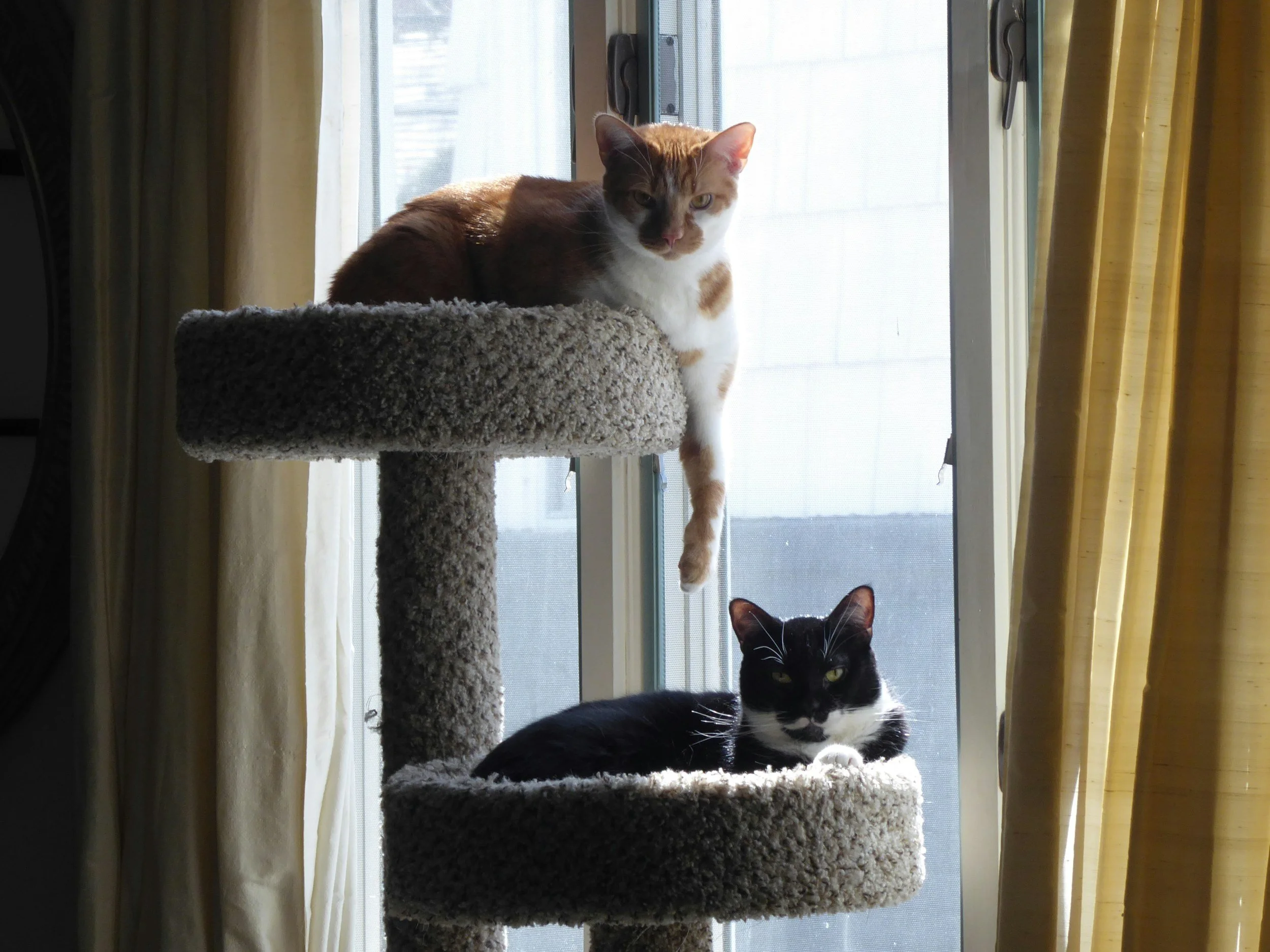
Keep your cat safely
at home
RSPCA recommends keeping cats safely at home all year round, and with Bird Flu now present in wild birds, it’s more important than ever. Cats that roam may hunt, play with or eat birds without you knowing, increasing their risk of exposure. Keeping them home helps protect your cat and our local wildlife.
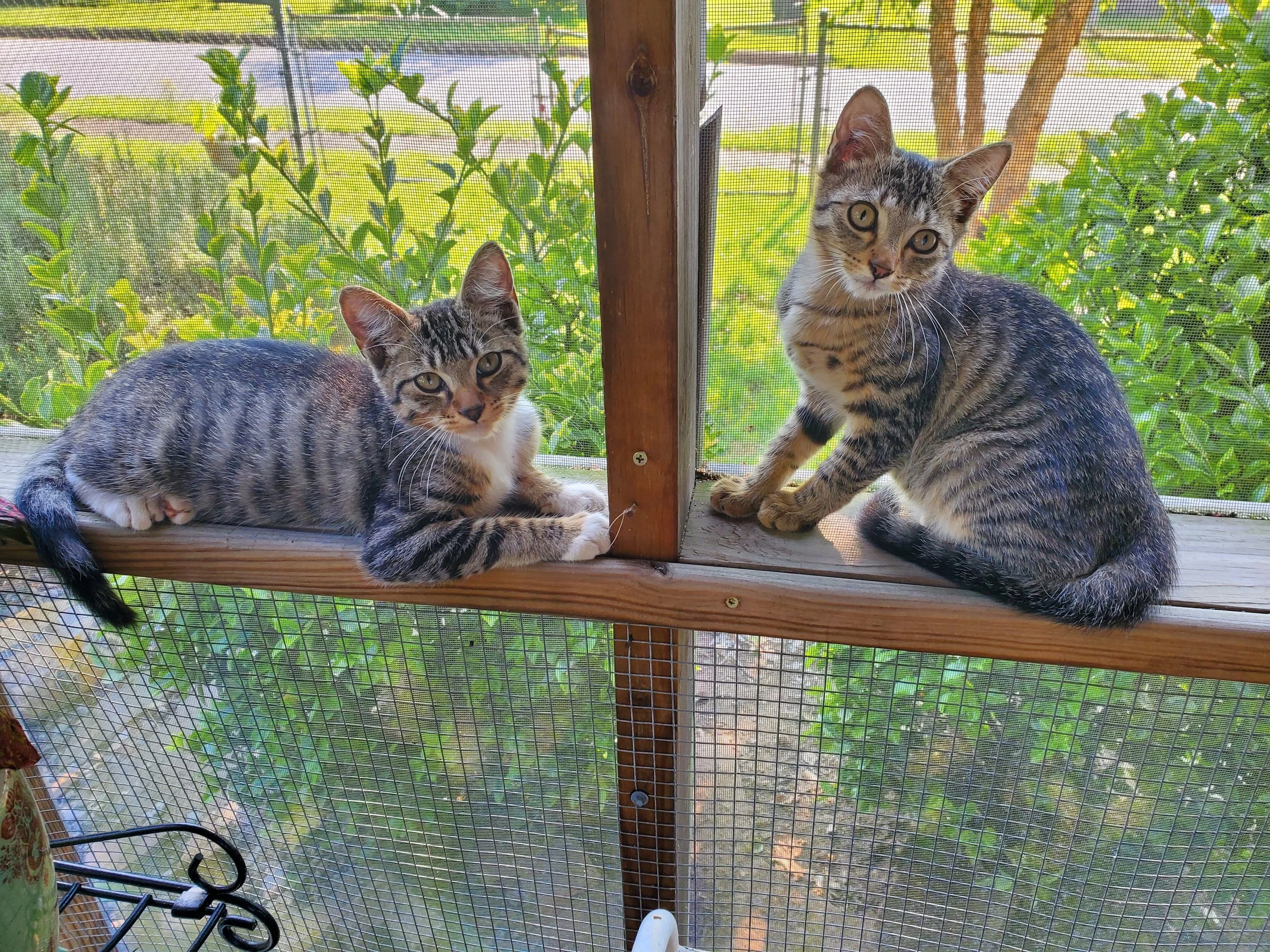
Make outdoor time safe with a cat enclosure
Your cat can still enjoy fresh air and sunshine, just make sure it’s in a secure, fully enclosed cat enclosure where they can’t come into contact with wild birds. Never let your cat sniff, lick, carry or eat a bird, whether it appears healthy, sick, injured or dead.
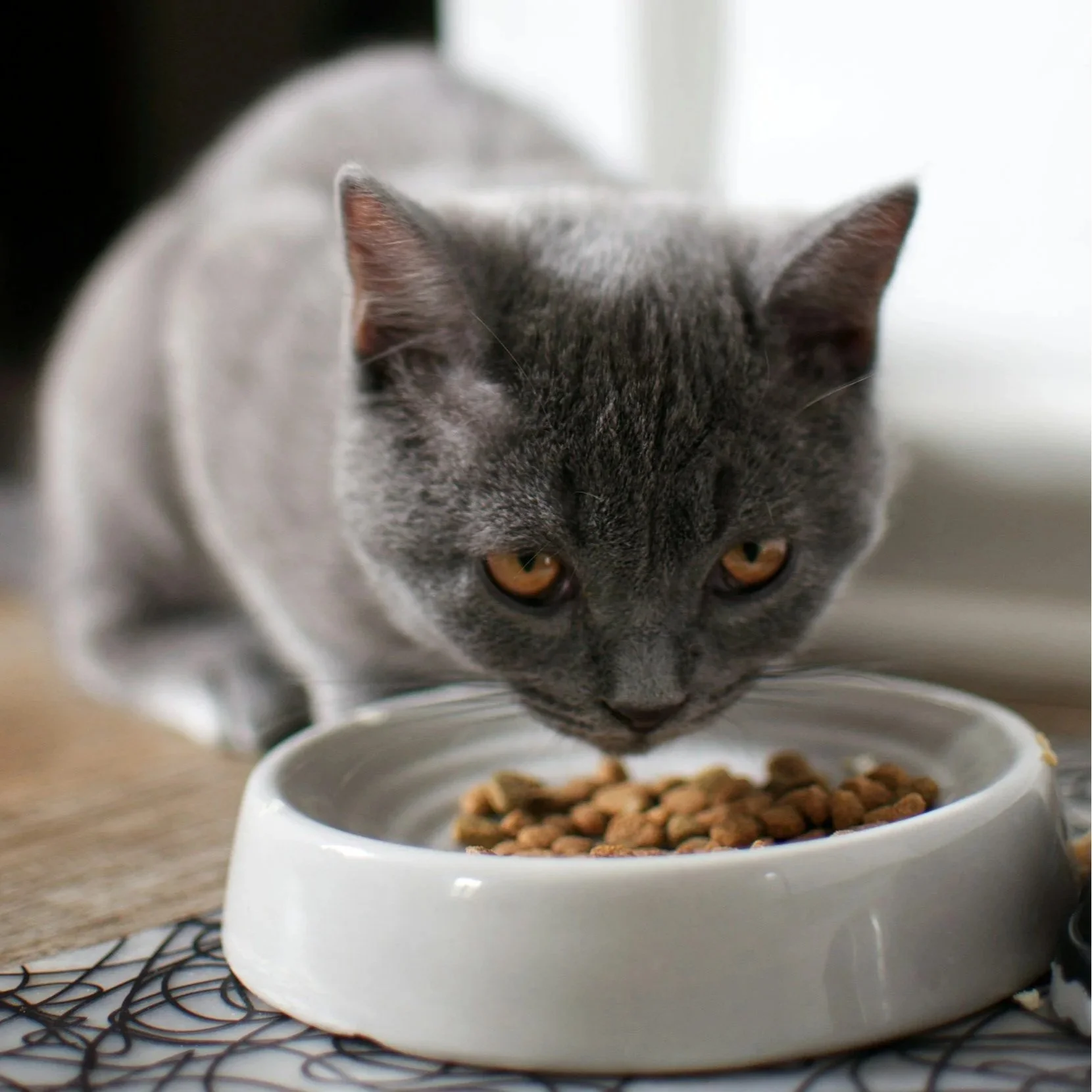
Keep their food and
water bird-free
Wild birds can contaminate your cat’s food and water with droppings or saliva. Keep bowls indoors or under cover, change their water regularly and make sure wild birds can’t access their food. It’s a simple change that can help keep your cat safer.
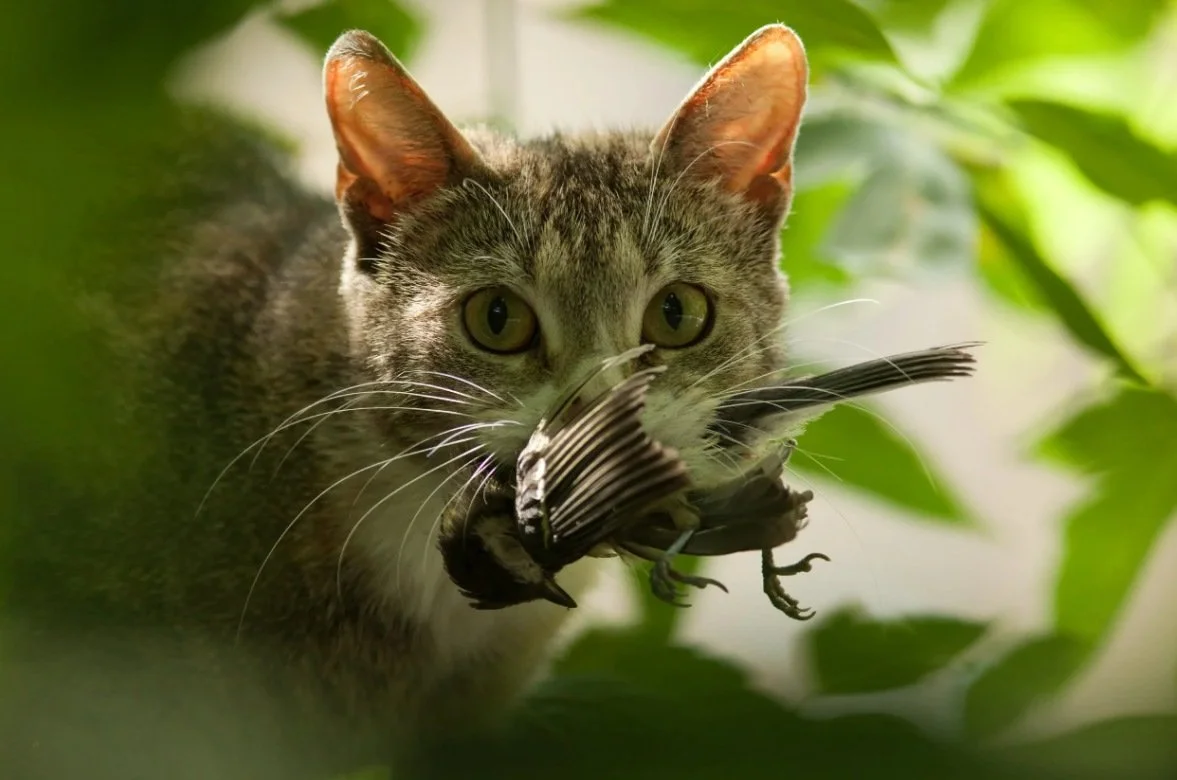
Why keeping your cat at
home is actually the most responsible thing you can do.
If your cat has always roamed, it’s easy to think the outdoors is what makes them happy.
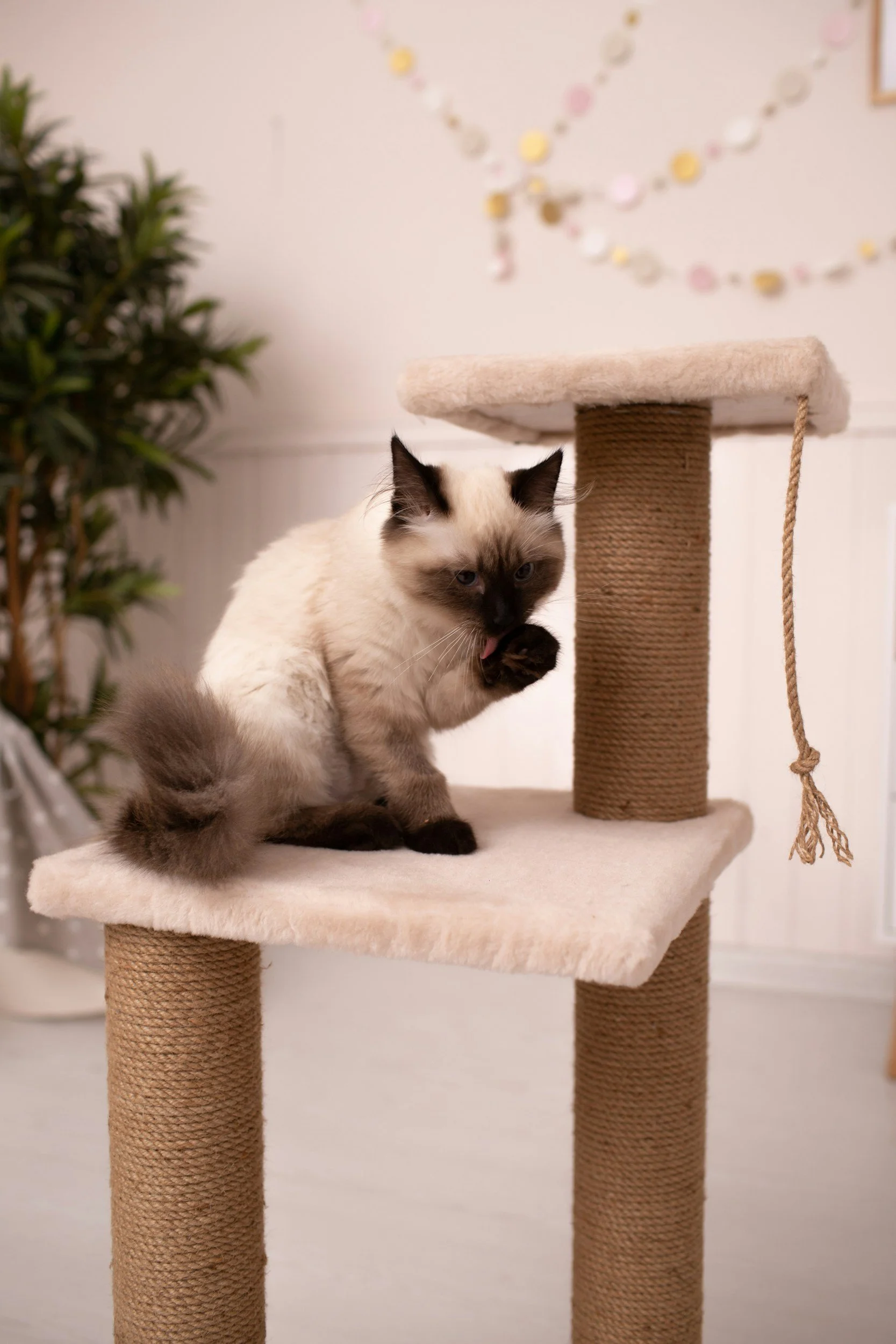
But cats can live happy, healthy and fulfilling lives at home when they have space to climb, play, explore, scratch and relax.
Roaming also comes with risks, from cars and fights to disease, injury and contact with wildlife.
With Bird Flu now present in wild birds in South Australia, keeping your cat safely at home is more important than ever.
Below are some tips on how to transition you cat to indoor life:
Tip 1: Start the transition now
If your cat is used to roaming, they don’t have to become a homebody overnight. But with Bird Flu now present in wild birds in South Australia, the sooner you start, the better.
Begin by keeping them home for longer periods and gradually increase the time as they adjust. Starting now gives you the chance to make the change at a pace that feels comfortable for both of you.
If your cat is struggling to adjust or showing ongoing signs of stress, speak with your veterinarian or a veterinary behaviourist for support.
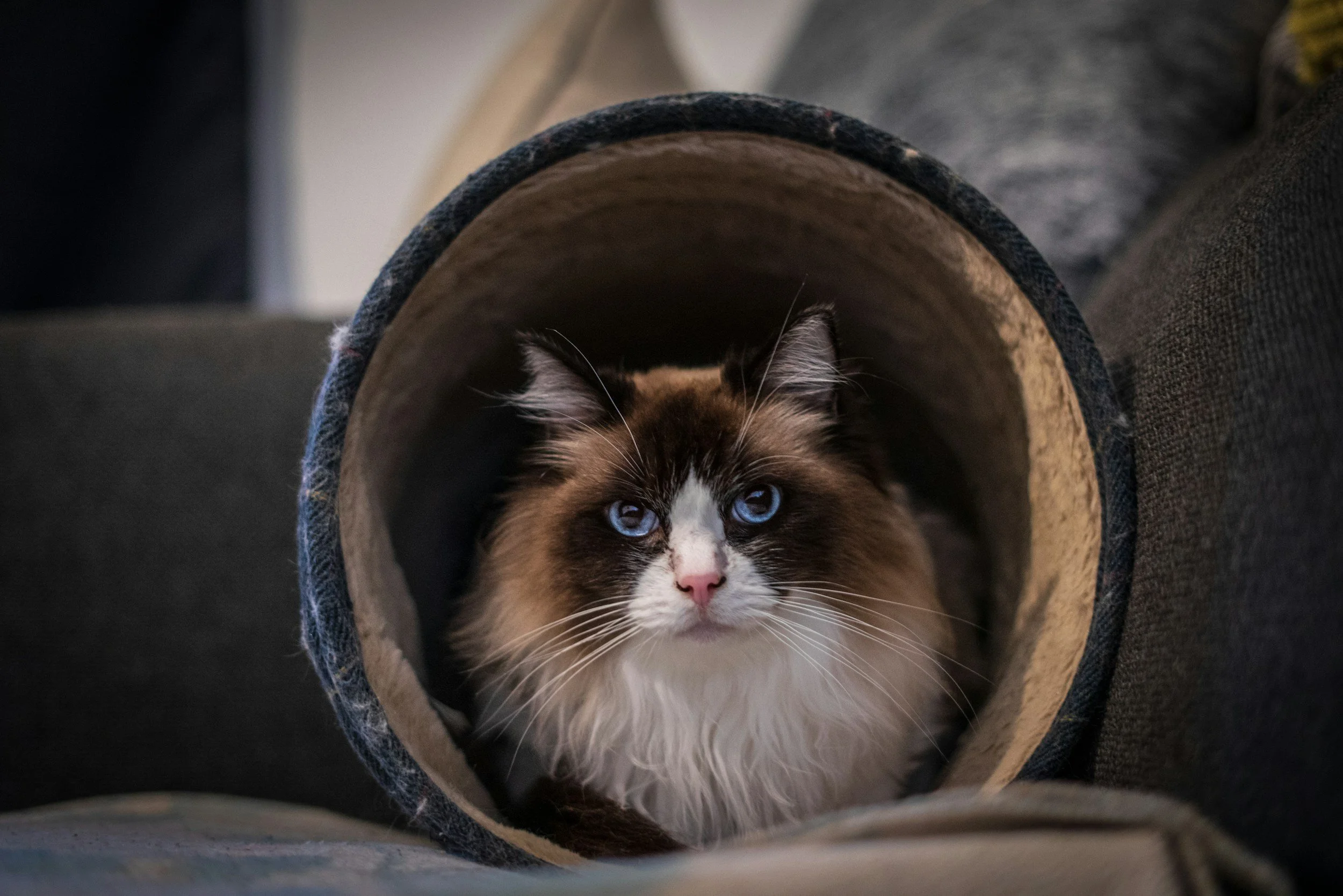
Tip 2: Make home somewhere they love to be
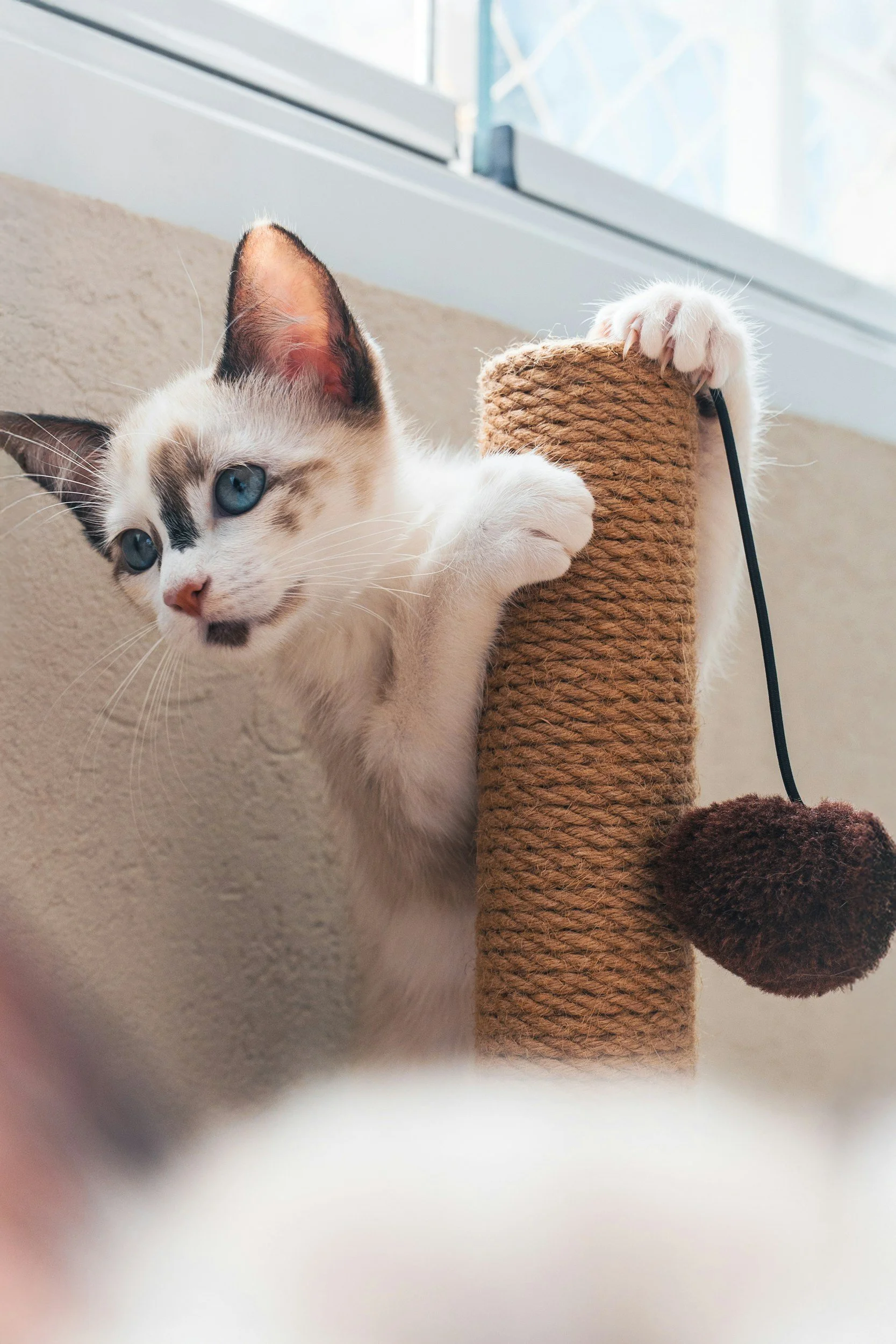
Cats still need to climb, chase, scratch, hide, explore and play, even when they’re safely at home. Give them plenty of ways to do what comes naturally, including:
toys that encourage chasing and pouncing
scratching posts or boards
high places to climb and perch
cosy beds, boxes and quiet hiding spots
food puzzles and activities that keep their mind busy.
You don’t need to entertain them all day. A few short play sessions, plenty of enrichment and some favourite resting spots can make home feel just as exciting and rewarding as the outdoors.
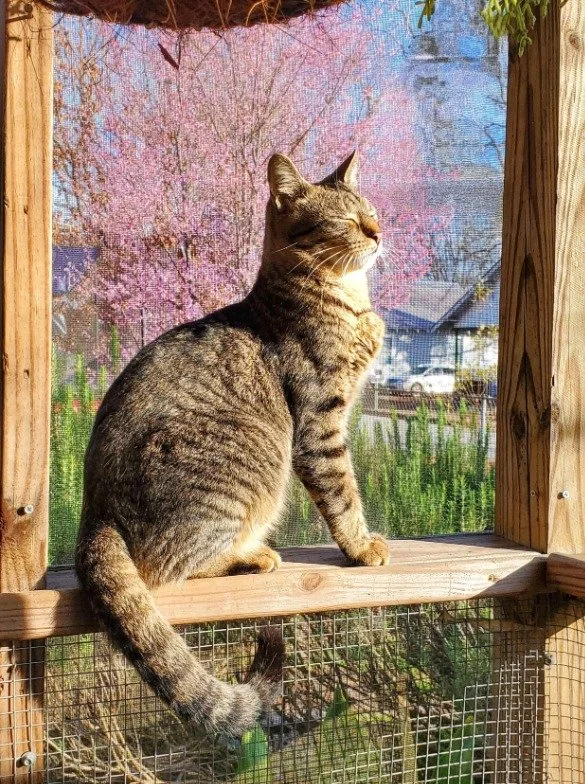
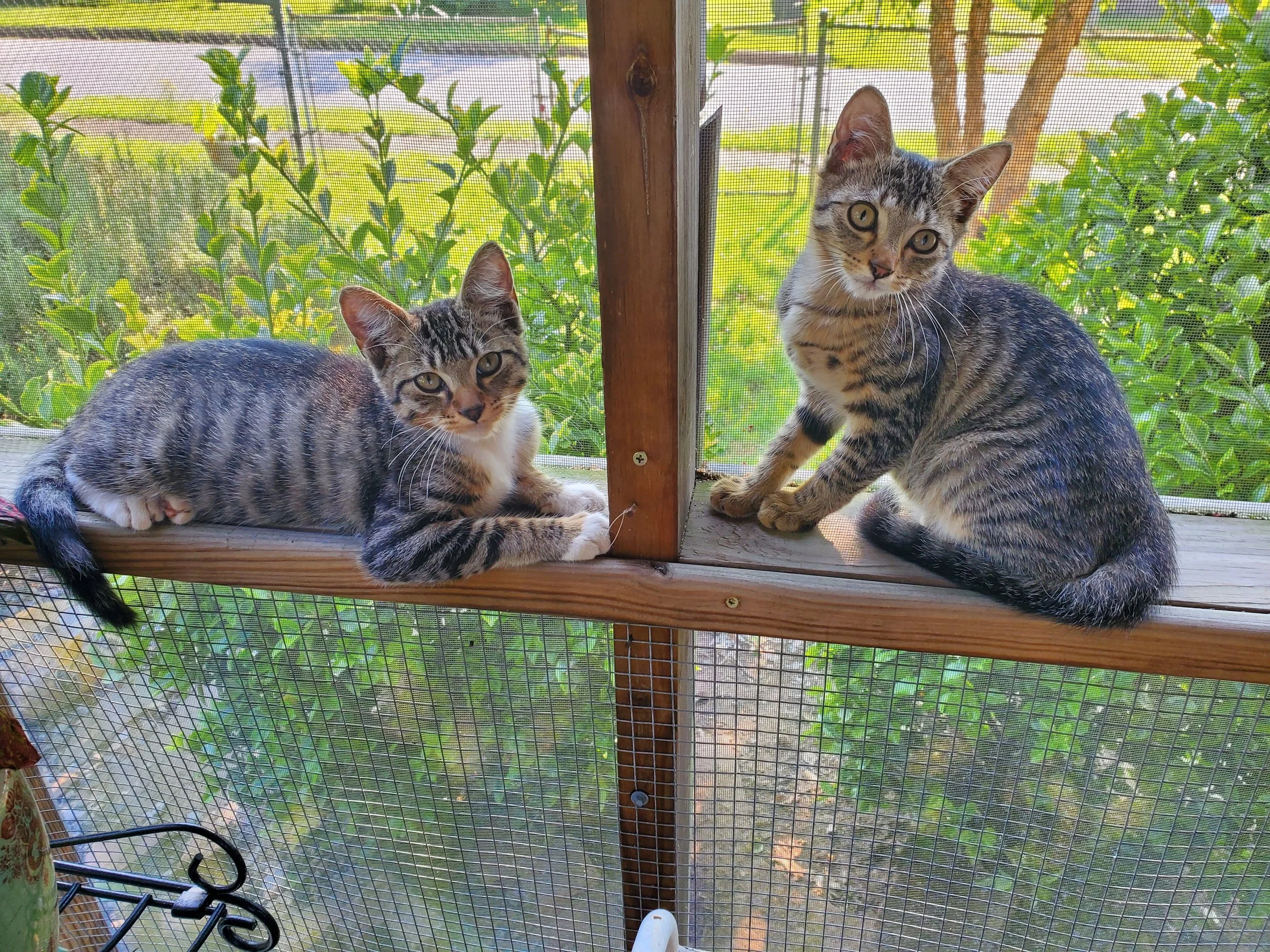
Tip 3: Make outdoor time safe
If your cat loves being outside, a secure catio or enclosure can give them fresh air and stimulation without the risks of roaming.
It doesn’t have to be expensive. You can buy one, adapt a veranda or courtyard, or create a simple DIY setup.
Just make sure it:
is fully enclosed with secure mesh or netting that keeps birds out
has places to climb, hide, scratch and rest
provides shade, shelter and fresh water
is stable, escape-proof and safe for your cat
Add shelves, boxes, tunnels or scratching posts to make it more interesting without spending a lot.
DIY is fine as long as it’s safe, enriching and keeps wild birds out.
If you love animals, keeping your cat safely at home is one of the best things you can do.
Keeping your cat at home gives them a safer, healthier and happier life, while also helping reduce risks to other animals in the community. It can help:
reduce their risk of Bird Flu and other illnesses
protect them from injury and fights
protect native wildlife
prevent unwanted breeding with roaming or stray cats.
Keeping them safe at home is responsible pet ownership in action.
FAQs
-
Yes. It may take some adjustment, particularly for an adult cat that is used to roaming, but most cats can adapt.
With Bird Flu present in wild birds in South Australia, it’s important you start the transition as soon as possible to help protect your cat and our birdlife.
Follow our tips above to make the transition easier. This includes increasing play and enrichment inside, creating climbing and hiding spaces and, where possible, providing secure outdoor access through a cat enclosure or cat-proofed yard.
-
Bring your cat inside immediately and prevent any further contact with wildlife.
If your cat licked, carried or ate the bird, contact your veterinarian for advice. Call before visiting the clinic and let them know your cat has had contact with a wild bird.
Do not touch or move the bird yourself. Record the location and report it to the Emergency Animal Disease Hotline on 1800 675 888.
-
Contact your veterinarian for advice, even if your cat currently appears well.
Cats may become infected through eating or interacting with infected animals, so your vet may recommend monitoring your cat for signs of illness
-
If your cat has recently had contact with a bird and becomes unwell, contact your veterinarian.
Watch for changes such as:
unusual tiredness or weakness
loss of appetite
red or irritated eyes
discharge from the eyes or nose
difficulty breathing
shaking or tremors
trouble walking or poor coordination
seizures or unusual behaviour.
Keep them away from people and other animals while you seek veterinary advice.
-
Keep your cat at home.
You may think your cat is safely roaming close to home, but the truth is, you can’t always see where they go or what they get up to.
Now more than ever, we need to protect South Australia’s birdlife. Keeping your cat at home is one of the best things you can do as a responsible cat owner.
It reduces the chance of them hunting wildlife or coming into contact with sick or infected birds, while also protecting your cat from everyday risks such as cars, fights, disease and getting lost.
Keep them home. It’s safer for your cat and safer for our wildlife.
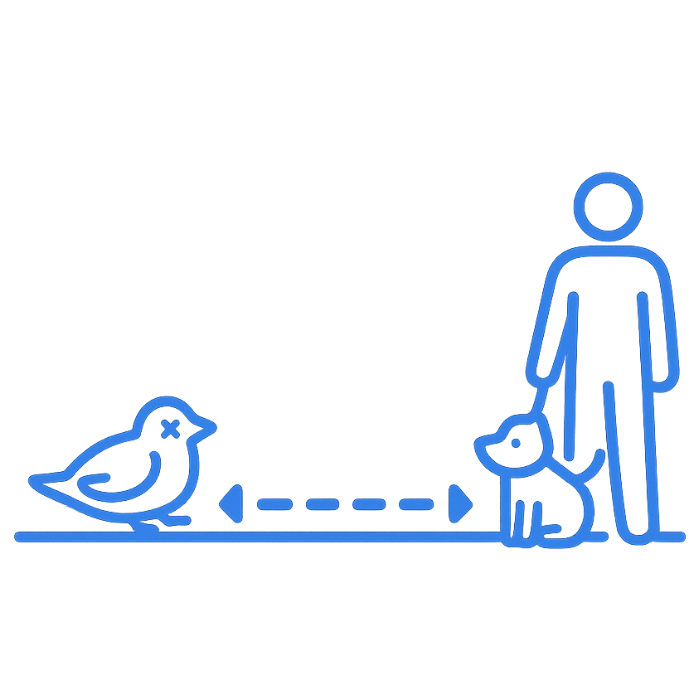
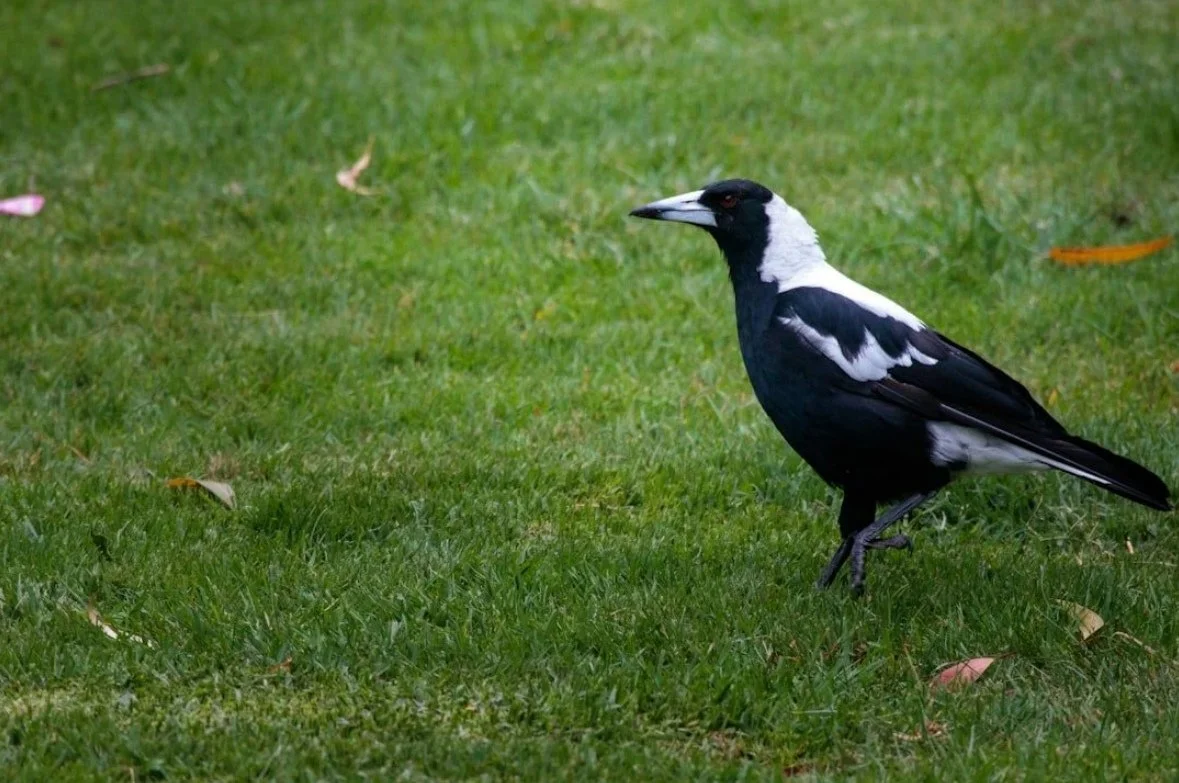
Found a sick or dead bird? Here’s what to do:

Avoid
Do not touch the bird. Leave it where it is and make sure you keep pets away.
Record
Note the location of the bird and take a photo or video from a safe distance.

Report
Call the Emergency Animal Disease Hotline on 1800 675 888.
The hotline will advise you on next steps.
Do not dispose of the bird,
unless you are advised to.
Stay informed.
Help protect animals.
Sign up to our Changemakers emails for the latest animal welfare updates and to see how RSPCA South Australia is working to protect animals across our state.
You can unsubscribe at any time.