

Keep them home.
Keep them safe.
Despite what many people think, keeping your cat home isn’t cruel. It’s one of the best ways to keep them happy, healthy and safe.
With the growing risk of Bird Flu, now is a good time to start bringing your cat home.
Think they’re street-smart? Maybe. But once they’re out of sight, do you really know what they get up to?
The good news is, cats can live great lives at home. Follow our advice to help them go from roam to home.

Did you know? Roaming can…
Increase your cats risk
of death by 300%
Increase their vet bills and visits by 400%
Reduce their life expectancy by 10 years
How do I start the transition?
If your cat is used to roaming, coming home can feel like a big change. The good news? You don’t have to do it overnight.
Follow our guide below, or watch our video with Behaviour Team Leader Izzie Dew for more practical tips.
-
Before beginning the transition, we need to make sure home is worth staying for. Your cat gets exercise, stimulation and opportunities to explore while roaming. Before reducing their outdoor time, make sure you’re replacing those experiences with plenty to do at home.
Make sure they’ve got:
Places to climb, such as cat towers, shelves or perches
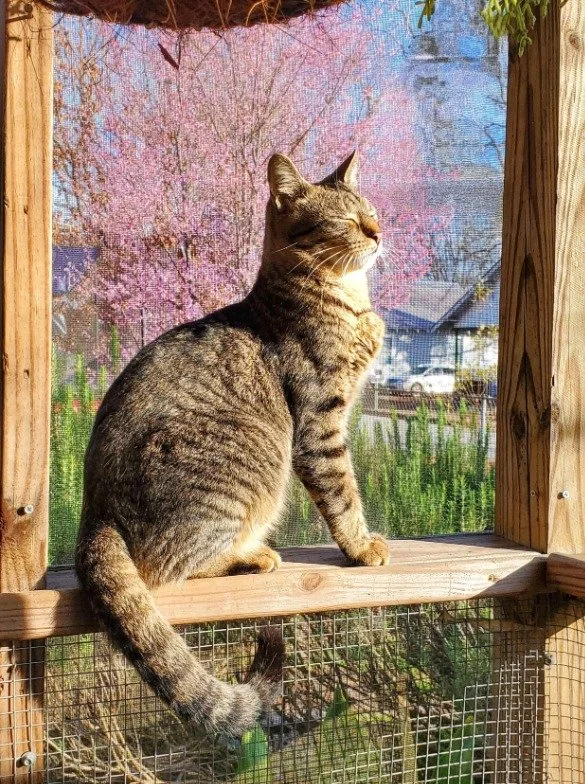
Comfortable spots where they can watch the world from a window
Places to hide and retreat when they want some quiet time
Different spaces to explore
Toys and games that encourage chasing, pouncing and hunting behaviours
Scratching posts or scratching surfaces
Multiple comfortable sleeping spots
At least one litter tray per cat, plus an extra one where possible
Fresh, clean water available at all times
If you’ve got the above, you’re ready to start the transition.
Want to know more about the best cat enrichment, including products we suggest? Checkout this page.
A gentle timeline for bringing your cat home. Every cat is different. Some may adjust within days, while others may need several weeks or longer.
-
Begin by bringing your cat inside a little earlier than usual.
As a starting point, you might reduce their outdoor time by around 30 minutes and maintain this new routine for several days before increasing it again. Choose a time when your cat is naturally more likely to settle, such as around dinner time or after a play session.
Once they come inside, make their time rewarding. You could try:
Giving them their meal
Playing with a favourite toy
Offering a food puzzle
Giving them affection if they enjoy it
Introducing something new to explore
Offering a small treat
Your goal: Your cat can stay inside for the extra time without becoming highly distressed and is able to settle, play, eat, sleep or engage with you. When this feels like their new normal, move to Step 2.
-
Once your cat is comfortable with the first change, start extending their time inside again. You could increase their indoor time by another 30 minutes to an hour, then maintain that routine until they’re comfortable before increasing it again.
Keep meals, play and other favourite activities at predictable times. A routine helps your cat know what to expect.
Continue making home interesting too. Rotate toys, introduce new boxes or hiding places and give them different opportunities to climb, chase and explore.
Your goal: Your cat is spending increasingly longer periods at home and can settle into normal activities rather than constantly waiting at the door. When longer periods at home are becoming routine, you’re ready for Step 3.
-
As your cat becomes comfortable spending most of their time at home, gradually reduce the remaining opportunities they have to roam. Continue following the same principle:
Make a small change → give them time to adjust → look for signs they’re comfortable → then make the next change.
This stage may happen quickly for some cats and take much longer for others.
Keep their daily routine predictable, with regular:
Meals
Play
Rest
Interaction
Enrichment
Your goal: Your cat can comfortably spend the whole day and night at home without roaming. They’re eating, sleeping, playing, toileting and behaving normally within their new routine. Once they’ve reached this point, you’ve made it to Step 4.
-
Item descriptiYour cat is now living safely at home — but the work doesn’t completely stop here.
Just like us, cats can become bored when every day looks exactly the same.
Keep changing things up by:
Rotating toys rather than leaving everything out all the time
Moving boxes, tunnels or beds around
Creating new hiding or climbing spots
Trying different food puzzles
Scheduling short play sessions throughout the day
Giving them safe opportunities to watch birds and activity through windows
Introducing new smells, textures or objects to investigate
You may also want to consider safe outdoor options, such as a secure cat enclosure or cat-proofed outdoor area, so your cat can enjoy fresh air without roaming.
Your goal: Your cat is relaxed, active and engaged at home, with plenty of opportunities to express their natural behaviours.
Learn More
-
![]()
Setting up a catio
Don’t want to keep them 100% inside - why not setup a catio? Follow our guide for how to setup a catio. We’ve got a list of providers, DIY tips and a checklist with everything you need to know to make outdoor time safe for your cat.
Learn More >
-
![]()
Creating indoor adventures
Setting your cat up with the right indoor enrichment is extremely important. They don’t need to be outside to live a fullfiling and happy life. Follow our Behaviour Teams advice to learn how to set your home up for success.
Learn More >
-
![]()
How to start the transition
If your cat has spent years exploring outdoors, changing their routine can feel like a big step, for both of you. We’ve put together tips on how to start the transition to make it easy on you, and your cat.
Learn More >


Frequently Asked Questions
-
We offer a range of solutions designed to meet your needs—whether you're just getting started or scaling something bigger. Everything is tailored to help you move forward with clarity and confidence.
-
Getting started is simple. Reach out through our contact form or schedule a call—we’ll walk you through the next steps and answer any questions along the way.
-
We combine a thoughtful, human-centered approach with clear communication and reliable results. It’s not just what we do—it’s how we do it that sets us apart.
-
You can reach us anytime via our contact page or email. We aim to respond quickly—usually within one business day.
-
We offer flexible pricing based on project type and complexity. After an initial conversation, we’ll provide a transparent quote with no hidden costs.
-
Collaborative, honest, and straightforward. We're here to guide the process, bring ideas to the table, and keep things moving.